


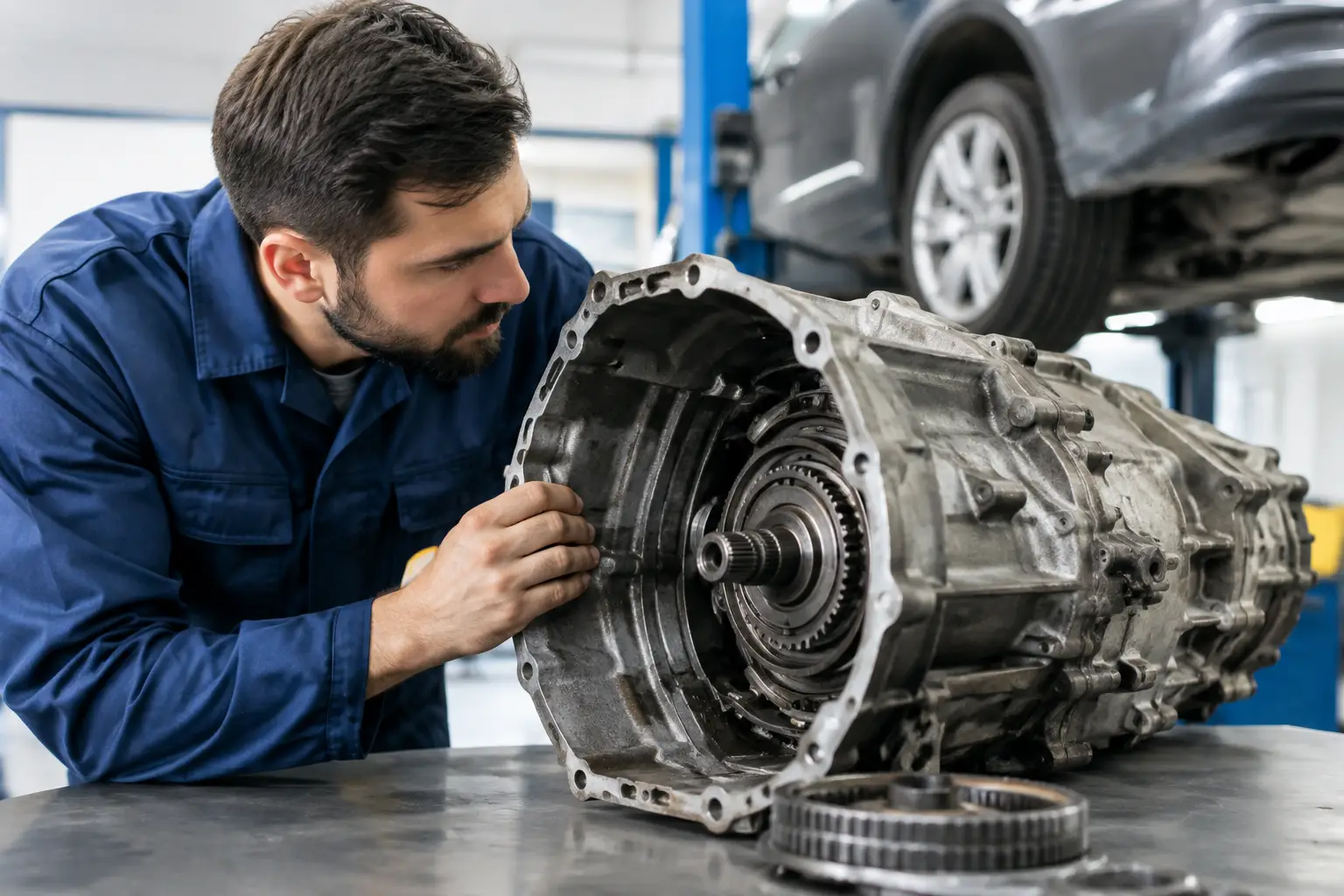
A car that hesitates before moving, shudders on take-off or suddenly revs without picking up speed can turn an ordinary drive into a stressful one. Transmission repairs are not something to put off, especially when you rely on your vehicle for work, school runs or commuting around Wallan and Melbourne’s northern suburbs.
The earlier a transmission issue is checked, the more options you may have. Some faults can be resolved with the right fluid, adjustment, sensor repair or targeted component replacement. Leaving the problem until the vehicle will not select a gear can turn a manageable repair into a far more involved job.
When transmission repairs may be needed
Your transmission transfers engine power to the wheels while allowing the car to change speed and direction smoothly. Whether your vehicle has an automatic, manual, CVT or dual-clutch transmission, it relies on the correct fluid, good electrical signals and properly functioning internal components.
A change in the way your car drives is usually the first clue. An automatic may hold onto gears too long, shift with a noticeable thump or take a moment to engage Drive or Reverse. In a manual, you may find gear selection difficult, hear grinding when changing gears or notice the clutch pedal feels different.
Watch for warning signs such as:
- Delayed engagement when selecting Drive or Reverse
- Slipping, where engine revs rise but the car does not accelerate as expected
- Harsh, jerky or erratic gear changes
- Whining, humming, clunking or grinding noises while driving
- A burning smell or red, brown or dark fluid beneath the vehicle
- A transmission or check-engine warning light on the dashboard
One symptom does not always mean the gearbox itself has failed. Low transmission fluid, a worn engine mount, a faulty sensor, a clutch issue or an electrical fault can produce similar symptoms. Proper diagnosis matters because replacing parts based on a guess can waste both time and money.
Why delaying a transmission problem costs more
Transmission faults tend to create more wear when a vehicle keeps being driven. Low or degraded fluid cannot protect moving parts properly. A slipping clutch pack creates heat. A small leak can gradually reduce fluid levels until gear changes become harsh or the vehicle loses drive altogether.
There is also a safety side to consider. Delayed acceleration when entering traffic, unexpected gear changes or difficulty selecting reverse can make day-to-day driving less predictable. If the car is slipping badly, making loud mechanical noises or showing a warning light along with poor shifting, it is sensible to limit driving until it has been inspected.
A quick inspection can also provide peace of mind. Not every concern leads to a major rebuild. Sometimes the issue is connected to a service requirement, a fluid leak from a seal or cooler line, a solenoid, wiring fault, or a component outside the transmission.
What happens during a transmission inspection
A reliable diagnosis begins with listening to what the vehicle has been doing. Details make a difference: whether the issue occurs cold or after driving for a while, at certain speeds, when towing, or only when selecting a particular gear.
The mechanic can then check for visible leaks, assess transmission fluid condition where accessible, inspect related components and carry out diagnostic scanning on suitable vehicles. Modern automatic transmissions depend heavily on electronic controls, so fault codes and live data can help narrow down whether the problem is mechanical, hydraulic or electrical.
Road testing may also be appropriate, provided it is safe to do so. This helps confirm shift quality, noises and the conditions that bring on the fault. From there, you should receive a clear explanation of the likely issue, the recommended repair path and any circumstances that could affect cost or timing.
Mobile transmission repairs: what can be done on site?
Many transmission-related faults can be assessed at your home or workplace. This is particularly useful when the car is still drivable but clearly not performing as it should, or when you do not have time to sit in a workshop waiting room.
On-site work may include diagnostics, leak checks, replacing accessible sensors or solenoids, repairing related electrical issues, fitting cooler hoses or lines, addressing some linkage concerns, and completing selected fluid and filter services. The exact work depends on the vehicle design, access and the fault found.
There are limits, and being upfront about them is part of honest service. Internal gearbox rebuilds, major clutch replacements, torque converter work and repairs requiring specialised lifting equipment or a transmission bench are generally workshop jobs. If that is the safest or most practical option, a good mechanic will explain why rather than promise an on-site fix that is not suitable.
Hazara Mobile Mechanic can inspect many transmission concerns where your vehicle is parked and help you understand the next practical step. For busy households and workers, starting with an on-site assessment can save the hassle of arranging a workshop visit before you even know what is wrong.
Transmission servicing is not the same for every car
There is no single rule for when to service a transmission. Manufacturer schedules vary, and so do driving conditions. Stop-start commuting, regular towing, heavy loads, steep roads and long periods in traffic can put extra heat and strain on transmission fluid.
Some manufacturers describe their transmission fluid as long-life or sealed. That does not mean it should be ignored if shifting quality changes or a leak develops. It simply means the correct servicing method, fluid specification and inspection process matter even more. Using the wrong fluid can cause poor shift quality and, in some cases, damage.
For manual vehicles, the transmission and clutch are separate but closely related when it comes to drivability. A clutch that slips may feel like a transmission issue, while worn gearbox oil or internal synchro wear can make gear changes difficult. An inspection should look at the whole system rather than assuming the most expensive component is at fault.
How to protect your transmission between services
Good habits will not prevent every fault, but they can reduce unnecessary wear. Check for fresh fluid spots where you park, especially if the fluid looks red, reddish-brown or oily. Pay attention to new noises and do not ignore a dashboard warning light simply because the car still drives.
Avoid towing beyond your vehicle’s rated capacity, and use the appropriate towing mode if your vehicle has one. Let the vehicle come to a complete stop before moving between Drive and Reverse. If you are stuck in mud or on a slippery surface, avoid repeatedly rocking the car back and forth at high revs, as this can create excessive transmission heat.
Most importantly, do not continue driving through obvious slipping or harsh banging between gears in the hope it will settle down. A prompt assessment gives you clearer answers and a better chance of keeping the repair straightforward.
If your car is not changing gears as it should, arrange an inspection before the next small symptom becomes the reason you are stranded. Clear advice, careful diagnosis and repairs suited to the actual fault are the best way to get back on the road with confidence.
Need a mobile mechanic?
Hazara Mobile Mechanic comes to you across Wallan and up to 70 km around. Open 7 days, 7am to 10pm, with emergency service 24/7. Call or text 0416 849 948, message us on WhatsApp or book online. See our services and the areas we cover.
