


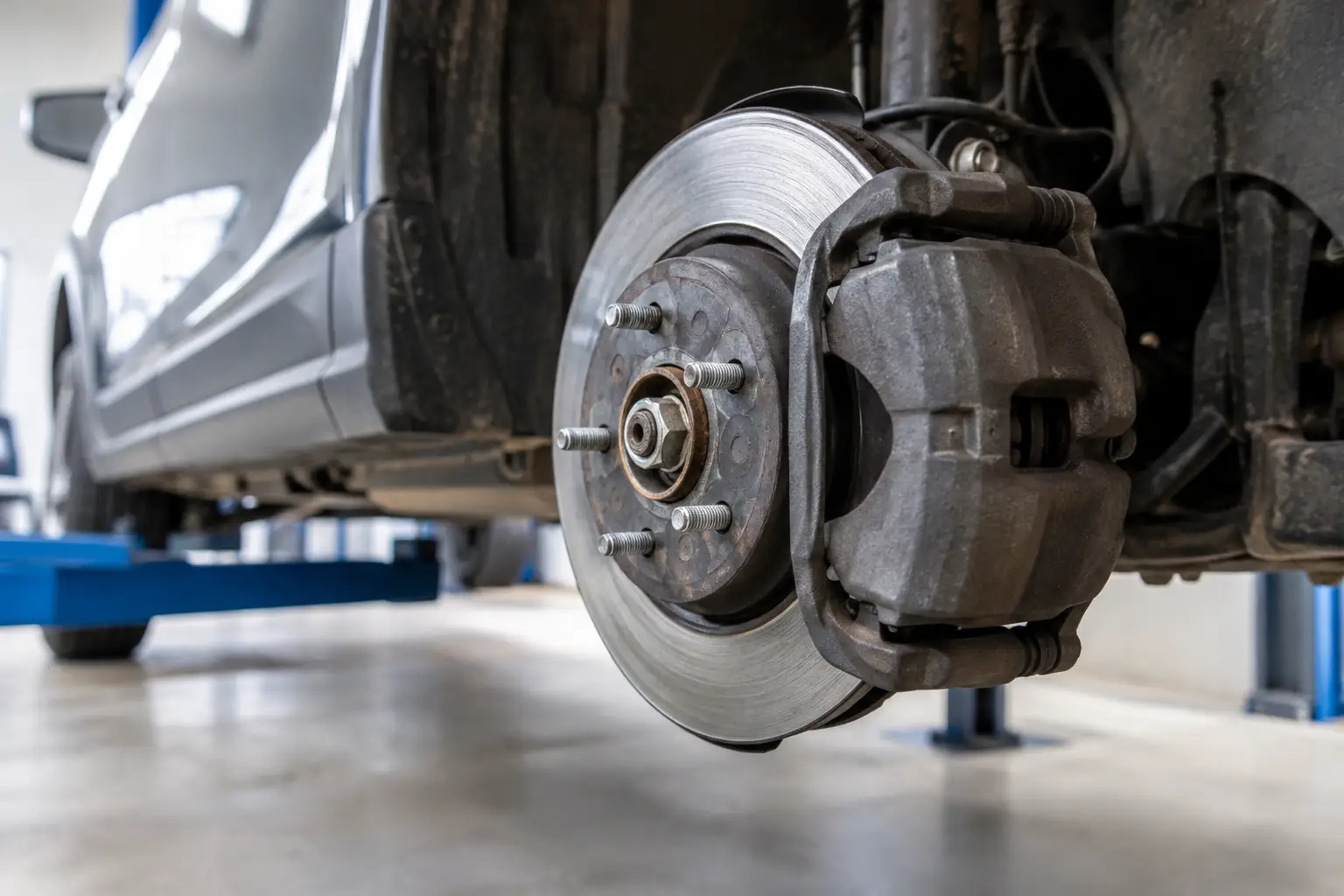
The brake pedal feels a little softer than usual on the morning school run. Or perhaps you have started hearing a light squeal as you slow down at Wallan’s roundabouts. It is easy to put these changes off when life is busy, but knowing how long do brakes last can help you act before a small wear issue becomes an urgent repair.
Brake life is not set by the calendar alone. Your driving habits, vehicle type, road conditions and the quality of previous repairs all play a part. The best approach is to understand the usual lifespan, watch for changes in the way your car stops and have the system inspected when something does not feel right.
How long do brakes last on Australian roads?
As a general guide, brake pads often last between 30,000 and 70,000 kilometres. Some drivers may get more life from a set, while others need replacements sooner. Brake discs, sometimes called rotors, can commonly last 80,000 to 120,000 kilometres, although they need to be measured rather than judged on kilometres alone.
Those figures are useful starting points, not guarantees. A commuter travelling mainly on open roads around Melbourne’s northern suburbs may use their brakes less heavily than a driver making frequent stop-start trips through traffic. A family SUV, a ute carrying tools, or a car that regularly tows a trailer will also place more load on the braking system.
Your vehicle’s service history matters as well. Quality pads correctly fitted to clean, free-moving callipers will generally wear more evenly than components fitted without addressing the cause of an earlier problem. That is why a proper brake inspection looks beyond the pad thickness.
What makes brake pads wear out faster?
Every time you slow down, the brake pads create friction against the discs. That friction is essential, but it gradually wears material away. Hard braking from speed creates more heat and wear than gentle, planned braking.
City driving is one of the biggest factors. Constant lights, traffic queues and short trips mean more brake applications per kilometre. Hilly routes can have the same effect, particularly if you ride the brakes downhill instead of selecting a lower gear where appropriate.
Vehicle weight also changes the picture. A loaded SUV, a work ute or a vehicle towing a caravan needs more braking force to slow safely. Drivers who regularly carry passengers, equipment or heavy loads should be particularly careful about keeping up with inspections.
The parts themselves make a difference. Budget pads can be tempting, but very cheap materials may wear quickly, create more brake dust or become noisy. The right brake pads are selected for the vehicle and the way it is used, balancing stopping performance, noise, dust and durability.
The warning signs you should not ignore
Brakes rarely fail without giving some warning first. A noise or change in pedal feel does not always mean the system is unsafe, but it does mean it deserves professional attention. Waiting can turn a straightforward pad replacement into damaged discs or callipers.
Book a brake check if you notice any of the following:
- A high-pitched squeal, grinding sound or scraping when braking
- A steering wheel, pedal or vehicle vibration as you slow down
- A brake pedal that feels soft, spongy, unusually hard or lower than normal
- The car pulling to one side when you apply the brakes
- A brake warning light, burning smell or reduced stopping performance
A squeal can come from a pad wear indicator, surface rust after rain, or a build-up of brake dust. Grinding is more concerning. It may mean the pad material has worn away and metal is contacting the disc. Continuing to drive in that condition can score the disc and significantly increase the repair cost.
A vibration through the steering wheel is often associated with uneven disc surfaces, though suspension or tyre issues can sometimes feel similar. Pulling to one side may point to a sticking calliper, uneven pad wear, a tyre concern or another fault that needs diagnosis. The key is not to guess based on one symptom.
Brake pads, discs and fluid all need attention
When people ask how long brakes last, they are usually thinking of the pads. But safe, consistent braking relies on several components working together.
Brake pads provide the friction. Discs provide the surface the pads clamp onto. Over time, discs wear thinner and can develop grooves, heat spots or uneven surfaces. Depending on their condition and manufacturer specifications, discs may be machined or replaced when new pads are fitted. Fitting new pads to badly worn discs can lead to poor performance, noise and premature wear.
Brake fluid is equally important. It transfers the pressure from your pedal to the brakes at each wheel. Brake fluid absorbs moisture over time, which can lower its boiling point and contribute to a spongy pedal under heavy braking. Most vehicles need brake fluid replaced at intervals specified by the manufacturer, often every two years, but your logbook is the right reference for your car.
Callipers, hoses and brake lines also need inspection. A seized calliper can wear one pad much faster than the other and make the vehicle pull under braking. A fluid leak is a safety issue that should be dealt with immediately.
Can you check your brakes yourself?
You can keep an eye on the early signs. Listen for new noises, pay attention to pedal feel and notice whether the car stops straight and predictably. Looking through the wheel spokes may show the outer pad, but it does not tell the full story. Inner pads can wear differently, and disc thickness, calliper movement and fluid condition cannot be properly assessed from a quick glance.
Do not rely on a visual check alone if a warning light appears or braking has changed. Avoid driving the vehicle if the pedal sinks towards the floor, you need to pump it to stop, braking is severely reduced, or you can see a fluid leak near a wheel. Arrange assistance rather than taking chances on the road.
How to help your brakes last longer
Smooth driving is the simplest way to reduce unnecessary wear. Leave enough room to ease off the accelerator early rather than braking hard at the last moment. In downhill conditions, use an appropriate lower gear to help control speed instead of holding the brake pedal for extended periods.
Keep your vehicle serviced on schedule and mention any brake noise, vibration or pulling as soon as you notice it. Regular inspections catch uneven wear before it damages other components. They also make it easier to plan the repair around your schedule instead of dealing with a surprise problem when you need the car most.
For drivers in Wallan and Melbourne’s northern suburbs, a mobile inspection can make this far less disruptive. Hazara Mobile Mechanic can inspect your brake system at your home or workplace, explain what is worn and provide clear advice on the repair needed. There is no need to spend a day arranging lifts or sitting in a workshop waiting room.
Brakes are one area where early action saves both money and stress. If your car is making a new noise, pulling when you stop or simply due for a check, make time for an inspection before the next busy week puts it off again.
Need a mobile mechanic?
Hazara Mobile Mechanic comes to you across Wallan and up to 70 km around. Open 7 days, 7am to 10pm, with emergency service 24/7. Call or text 0416 849 948, message us on WhatsApp or book online. See our services and the areas we cover.
