


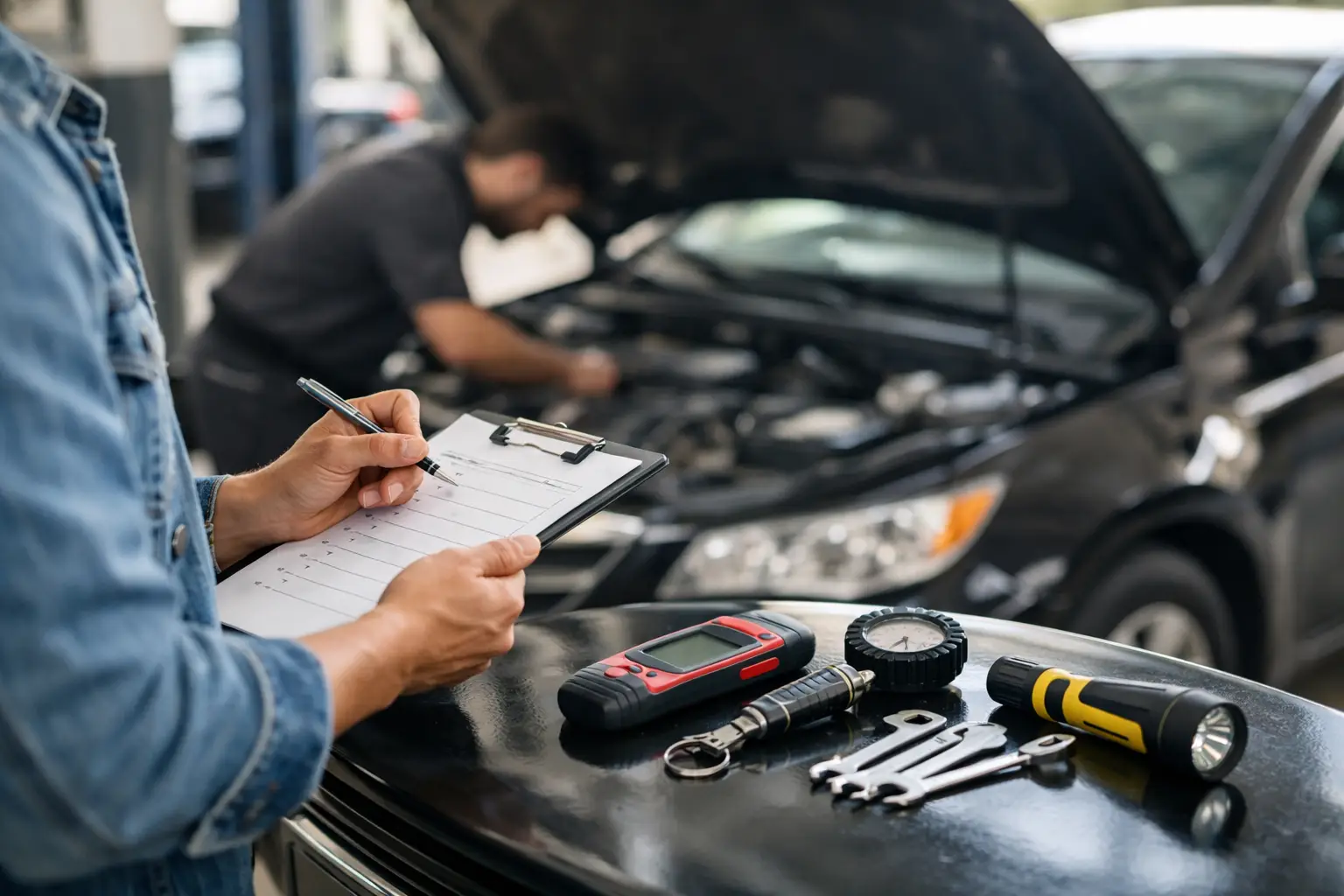
A car inspection can feel stressful when you are not sure what the mechanic will find. The good news is that knowing how to prepare for a car inspection does not require advanced mechanical knowledge. A few practical checks at home or work can help you spot obvious issues, avoid preventable delays and give the inspector clear information about your vehicle.
Whether you need a roadworthy inspection, a pre-purchase check, a servicing inspection or an assessment after a warning light appears, preparation helps make the appointment more useful. It also means the mechanic can spend more time diagnosing the real issue rather than clearing space in the car or chasing missing details.
Start by knowing which inspection you need
Not every car inspection looks for the same things. Before booking, be clear about why the vehicle needs to be checked. A routine safety or maintenance inspection focuses on the condition of key components and upcoming repairs. A pre-purchase inspection is more detailed, looking for signs of accident damage, poor repairs, leaks, mechanical wear and faults that may affect the value of a car you are considering buying.
If you are arranging a Victorian roadworthy inspection, remember that a roadworthy certificate is not a full mechanical report or a guarantee that the car will have no future faults. It assesses whether the vehicle meets required minimum safety standards at the time of inspection. A car can be roadworthy while still needing maintenance that is not part of the roadworthy assessment.
Tell the mechanic if the vehicle has recently been in an accident, has been sitting unused, is being sold or has developed a new noise. That context helps them assess the right areas from the start.
Clear the car and make it accessible
An inspector needs reasonable access to the cabin, boot, bonnet area, wheels and, in many cases, the underside of the vehicle. Remove heavy items, loose tools, prams, sports gear and unnecessary belongings from the boot. Clear rubbish from the floor and make sure the driver’s footwell is free of anything that could interfere with the pedals.
You do not need to detail the vehicle from top to bottom, but a quick clean makes it easier to identify cracks, damage, fluid leaks and tyre condition. Wash excessive mud from wheel arches and tyres if you have been on unsealed roads. If the number plates are dirty or hard to read, clean them as well.
For a mobile inspection, park the car on level, firm ground with enough room around it for the mechanic to work safely. A driveway is often ideal. Avoid steep slopes, soft grass, crowded street parking or spaces where the vehicle cannot be accessed from both sides. If the vehicle is in a garage, ensure there is enough lighting and clearance to open the doors and bonnet.
Check the simple safety items first
A short walk-around is one of the easiest ways to prepare for a car inspection. It will not replace a professional assessment, but it can reveal the common faults that are quick to fix when found early.
Start with the lights. Turn on the headlights, park lights, indicators, brake lights, reverse lights and number plate lights. Ask someone to stand behind the car while you press the brake pedal, or use a reflection in a window or garage door if you are on your own. Replace blown globes and note any lens that is cracked, loose or allowing water inside.
Then look at the windscreen, mirrors and wipers. Wipers should clear water without smearing badly, skipping across the glass or leaving large streaks. Check that the washer bottle has fluid and that the spray reaches the windscreen. Small windscreen chips may not always cause a problem, but cracks in the driver’s line of sight or larger damage should be assessed before the inspection.
Check the horn, seatbelts and doors too. Seatbelts should pull out and retract properly, latch securely and show no fraying. Each door should open from the inside and outside, then close and latch firmly. These are everyday items, but they matter because they affect basic vehicle safety.
Give tyres, wheels and brakes some attention
Tyres are a common reason for a vehicle to need work before it passes a safety inspection. Check all four tyres, plus the spare if it is fitted and intended for road use. Look for uneven tread wear, bald patches, sidewall cracks, bulges, exposed cords or a screw and other debris lodged in the tyre.
Use the tread wear indicators in the grooves as a quick guide. If the tread is close to the indicators, book a tyre assessment rather than waiting. Also check tyre pressures against the sticker usually found inside the driver’s door opening, glovebox or fuel flap. Correct pressure improves handling and makes uneven wear easier to spot.
Pay attention to how the car brakes during normal driving in the days before the appointment. A brake pedal that feels soft, a vehicle that pulls to one side, vibration through the pedal or steering wheel, grinding noises, or a brake warning light all deserve prompt attention. Do not rely on an inspection as the first response to a braking concern. Arrange a mechanic to check it as soon as possible.
Look under the bonnet, but do not guess at repairs
With the engine cool and the vehicle parked on level ground, check basic fluid levels where you are comfortable doing so. Engine oil, coolant, brake fluid and windscreen washer fluid are the main ones to review. Low washer fluid is simple to top up. Low oil or coolant, however, can point to a leak or another underlying issue, especially if you are filling it regularly.
Look for obvious corrosion around battery terminals, loose battery mounting, damaged hoses, frayed belts or fluid residue around the engine bay. Under the car, note any fresh puddles or drips on the driveway. Clear water after using the air conditioning can be normal, while oily, coloured or sweet-smelling fluid should be mentioned to the mechanic.
Avoid adding sealants, thick oil additives or other quick-fix products just before an inspection. They can mask symptoms without solving the cause, and they may make diagnosis harder. Honest information about a leak, noise or warning light is far more useful than trying to hide it.
Bring the right paperwork and vehicle details
Have the vehicle registration details ready, along with service history, recent invoices and any reports from previous inspections. These records can show what has already been repaired and whether a recurring issue has been investigated. For a used car inspection, service records may also reveal missed maintenance or gaps in the vehicle’s history.
If you have a warning light on the dashboard, take a clear photo of it before the appointment. Write down when it appeared and whether it comes and goes. The same goes for noises. A note such as “rattle from the front left over speed humps” is much more helpful than “the car sounds weird”. Include when the noise happens, whether the engine is cold or warm, and if braking, turning or accelerating changes it.
Make sure the mechanic has access to the keys, including locking wheel nut keys if your wheels use them. If your car has security codes, a flat battery history or an aftermarket alarm, mention that before the inspection begins.
Take warning signs seriously before the booking
Some problems should not wait until a scheduled inspection. If the engine temperature is high, the oil pressure light is on, the brake warning light appears, the car is losing power suddenly or you smell fuel, stop driving where safe and seek advice. Continuing to drive can turn a manageable repair into major engine, brake or electrical damage.
The same applies if the vehicle is producing heavy smoke, steering feels loose, a tyre is visibly damaged or the battery repeatedly goes flat. An inspection can identify the cause, but safe transport may be needed depending on the fault. A mobile mechanic can often assess many issues at your home or workplace, saving you from driving a car that may not be safe to take to a workshop.
What to expect from a professional inspection
A worthwhile inspection is more than a quick glance under the bonnet. The mechanic should assess the areas relevant to the type of check you have booked, explain any faults in plain language and separate urgent safety repairs from maintenance that can be planned. Ask what needs attention now, what can wait, and what the likely consequences are if you delay it.
There are trade-offs. Replacing a worn tyre, brake component or wiper blade before an inspection may cost money upfront, but it can save the time and inconvenience of a failed inspection and recheck. On the other hand, not every advisory item needs immediate replacement. Your mechanic should help you make a sensible decision based on safety, budget and how you use the vehicle.
Hazara Mobile Mechanic can inspect and assess many common vehicle concerns at your Wallan home or workplace, making it easier to get clear answers without rearranging your day. A well-prepared car and a straightforward conversation about its symptoms give you the best chance of leaving the inspection with a practical plan, not more uncertainty.
Need a mobile mechanic?
Hazara Mobile Mechanic comes to you across Wallan and up to 70 km around. Open 7 days, 7am to 10pm, with emergency service 24/7. Call or text 0466 666 945, message us on WhatsApp or book online. See our services and the areas we cover.

Comments are closed