


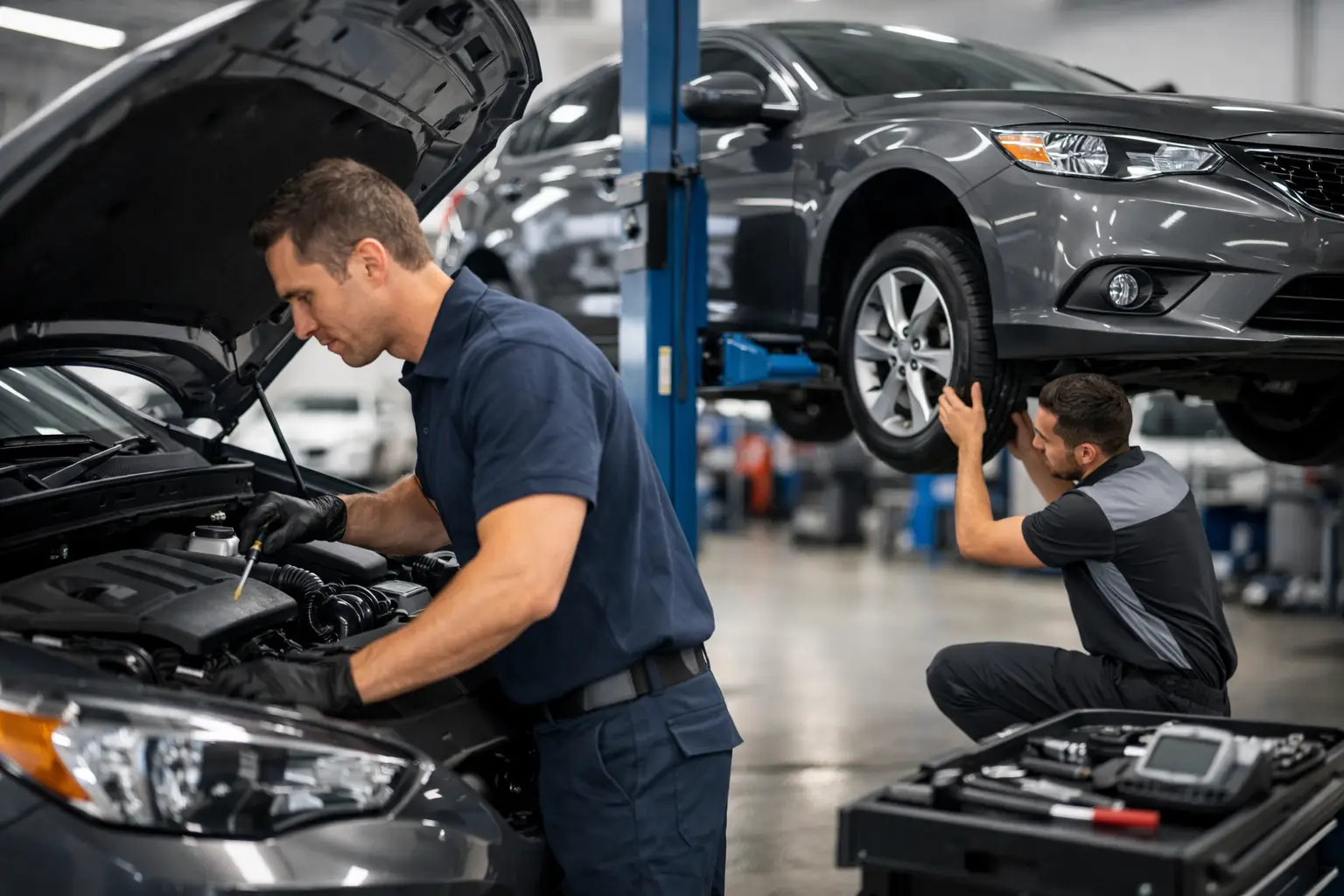
A service reminder on the dashboard can feel like one more job to organise, especially when work, school runs and commuting already fill the week. Knowing what happens during car service makes it easier to book with confidence, understand the quote and avoid putting off maintenance that could become a larger repair.
For most vehicles, a proper service is a planned inspection and maintenance visit. Your mechanic checks the condition of key safety and mechanical systems, replaces service items that have reached their interval, and looks for early signs of wear. The exact work depends on your vehicle, its age, kilometres, service schedule and the type of service due.
What happens during car service?
A car service usually starts with the basics: confirming the vehicle details, odometer reading, service history and any concerns you have noticed. This is the right time to mention a squeal when braking, a warning light, vibration through the steering wheel, slow starting, fluid spots on the driveway or changes in how the car shifts.
Those details matter. A scheduled service is not only about changing oil. It is also an opportunity to investigate problems before they interrupt your day or leave you stranded.
The mechanic then follows the manufacturer’s service schedule where applicable, while also checking components based on the vehicle’s actual condition. A newer car with lower kilometres may need a different set of items than an older family SUV that regularly travels long distances, tows a trailer or spends plenty of time in stop-start Melbourne traffic.
The essential maintenance work
For many cars, engine oil and the oil filter are replaced at service intervals. Oil lubricates moving engine parts and helps manage heat. Over time, it breaks down and collects contaminants, so leaving it too long can increase engine wear.
Other fluids are checked and topped up where suitable. Depending on the vehicle and service due, this can include coolant, brake fluid, power steering fluid, transmission fluid and windscreen washer fluid. A level check is useful, but the condition of a fluid is just as important. Dark, contaminated or low fluid can point to normal service needs or a leak that deserves closer attention.
Air filters are inspected because a blocked filter can restrict airflow to the engine. The cabin pollen filter may also be checked or replaced. This filter helps keep dust, pollen and debris out of the air coming through your vents, which is particularly noticeable during summer or when using the heater and air conditioning regularly.
Spark plugs, fuel filters, timing belts and accessory belts are not replaced at every service. They are generally inspected or replaced according to the manufacturer’s recommended interval. Skipping these longer-interval items can be costly. For example, a worn timing belt can cause serious engine damage if it fails in vehicles that use one.
Safety checks underneath, around and inside the vehicle
A thorough service includes more than the engine bay. Brakes are inspected for pad wear, rotor condition, leaks and uneven braking. Your mechanic may also assess brake fluid condition and check the handbrake operation. If brake pads are getting low, you should be told how urgent the work is rather than being left to guess.
Tyres are checked for tread depth, damage, uneven wear and correct pressure. Uneven wear can sometimes indicate wheel alignment, suspension or steering concerns. The spare tyre, if fitted, is worth checking too. It is easy to forget until the day you need it.
Suspension and steering components are inspected for wear, looseness and leaks. This may include shock absorbers, bushes, ball joints and steering links. These parts affect how stable and predictable your car feels, particularly when braking, cornering or travelling on uneven roads.
The mechanic will also inspect lights, wipers, washer operation, battery condition and visible hoses. A battery test can reveal a weakening battery before it fails on a cold morning or after a busy day at work. Electrical connections, warning lights and charging performance may need further testing if there are signs of an issue.
Under the vehicle, a mechanic looks for leaks, damage and wear in areas that are not obvious from the driver’s seat. Exhaust components, driveline parts, the transmission, differential and cooling system may be inspected depending on the vehicle and concerns reported.
Logbook service versus a basic service
A logbook service follows the manufacturer’s scheduled requirements for a particular age or kilometre interval. It may include specific parts, fluids and inspections listed for that service. Keeping accurate service records is helpful for resale value and can be relevant to warranty requirements, so ask for the service record to be completed.
A basic service is generally designed to cover routine maintenance and common safety checks. It can be a practical option for older cars or vehicles between major scheduled services, but it may not include every item required under the manufacturer’s logbook.
Neither option is automatically better for every car. The right choice depends on where your vehicle sits in its service schedule, whether it is still under warranty and how it is being used. A reliable mechanic should explain what is included before work begins and point out any manufacturer-required items separately.
What a mobile car service looks like
Mobile servicing brings the same practical maintenance work to your home or workplace, provided there is safe access and enough room to work around the vehicle. Instead of arranging lifts, sitting in a waiting room or losing a day at a workshop, you can have the service completed where the car is already parked.
A mobile mechanic arrives with the tools, diagnostic equipment and common service supplies needed for the booked job. The vehicle is inspected, routine service work is carried out, and any findings are discussed clearly with you. Used oil, filters and other waste should be handled responsibly rather than left behind.
There are limits to what can safely be done on site. Work requiring a hoist, specialised heavy equipment or extensive dismantling may be better suited to a workshop. However, many logbook services, oil changes, battery replacements, brake repairs, diagnostics, cooling repairs and general inspections can be completed conveniently at your location.
For drivers in Wallan and Melbourne’s northern suburbs, that convenience can make it far easier to stay ahead of maintenance. Hazara Mobile Mechanic provides on-site servicing with clear communication, so you know what has been checked, what has been completed and what may need attention next.
If your mechanic finds a problem
A service often identifies wear before it becomes a breakdown. You might be advised that brake pads are approaching their limit, a coolant hose is starting to perish, a battery is weak or tyres are wearing unevenly. That does not always mean every recommendation needs to be done immediately.
The useful question is whether the item is a safety issue, likely to cause a breakdown soon, required under the service schedule, or something to monitor. Ask for the reason for the recommendation, the likely consequences of waiting and a quote for any additional work. Clear answers help you make a practical decision without surprises.
If urgent repairs are needed, a good mechanic will explain the priority and seek your approval before proceeding. If the work can wait, you should leave with a clear idea of when to book it and what warning signs to watch for.
How to get the most from your next service
Before the appointment, make a quick note of noises, warning lights, changes in fuel use or handling, and when they happen. If possible, leave access to the vehicle’s service book, wheel lock key and any relevant parts or records. Tell the mechanic if the vehicle has recently overheated, struggled to start, been involved in a pothole impact or had work completed elsewhere.
After the service, keep the invoice and completed service record. Pay attention to any follow-up advice, particularly for brakes, tyres, cooling issues or fluid leaks. Routine maintenance is usually less disruptive and more affordable than waiting for a small issue to turn into roadside assistance.
Your car does a lot quietly in the background. Booking its service before the next warning light, long trip or rushed morning gives you a better chance of keeping every journey safe, reliable and on schedule.
Need a mobile mechanic?
Hazara Mobile Mechanic comes to you across Wallan and up to 70 km around. Open 7 days, 7am to 10pm, with emergency service 24/7. Call or text 0466 666 945, message us on WhatsApp or book online. See our services and the areas we cover.

Comments are closed