


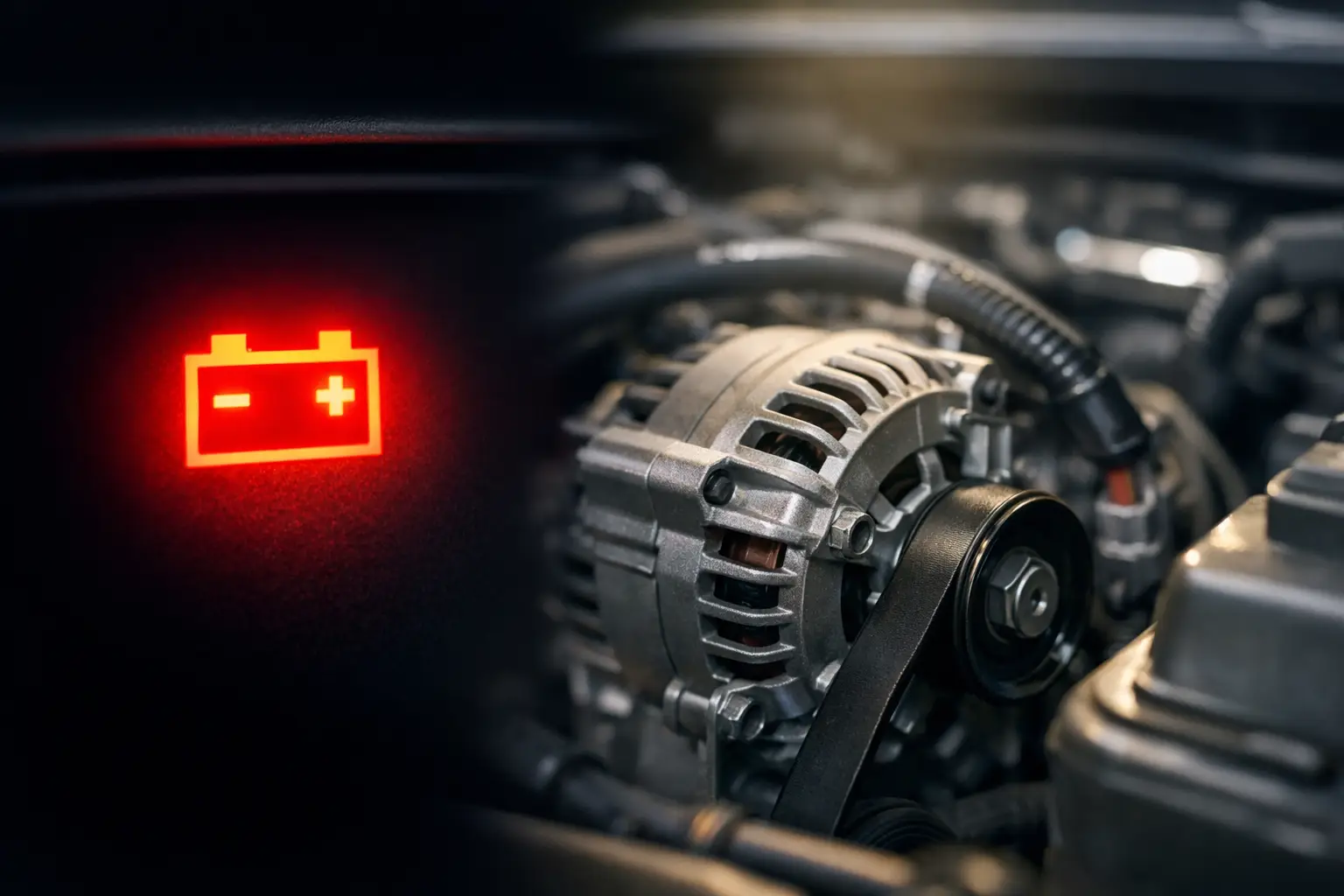
You turn the key, the engine starts, and that little battery-shaped light stays on. If you are wondering about the alternator warning light meaning, the short answer is this: your car’s charging system may not be working properly, and the battery may not be getting recharged while you drive.
That does not always mean the alternator itself has failed. It can also point to a worn drive belt, poor battery connections, a faulty battery, damaged wiring, or a problem with the voltage regulator. What matters most is not ignoring it. If the charging system stops doing its job, the car can keep running only until the battery runs out of power.
What the alternator warning light meaning actually tells you
Despite the symbol looking like a battery on many dashboards, this warning light usually relates to the charging system as a whole. The battery starts the vehicle, but once the engine is running, the alternator is meant to supply electrical power and top the battery back up.
If the light stays on while driving, or comes on suddenly after the engine has started, the system voltage is likely too low or unstable. In plain terms, the car may be using more power than the alternator is providing. Modern vehicles rely heavily on electrical systems, so when charging drops off, you can quickly notice other symptoms.
In some cars the light may glow dimly at first, flicker, or come and go with revs. That can still be an early warning that something is failing. A steady bright light is more urgent, but an intermittent one should not be brushed off either.
Common causes of an alternator warning light
The most common cause is a failing alternator, but it is not the only possibility. That is why proper diagnosis matters.
A worn or loose serpentine belt can stop the alternator from spinning at the right speed. If the belt slips, the charging rate drops. In some cases, you may also hear squealing from the engine bay.
Battery terminal corrosion is another simple but common issue. If the terminals are dirty or loose, current flow between the battery and charging system can be affected. The same goes for damaged earth connections or wiring faults.
A weak or failing battery can also trigger the warning light. If the battery cannot hold charge properly, the system may struggle even if the alternator is still working. This is one of those situations where it depends on the age and condition of the battery as well as the charging output.
Then there is the voltage regulator. In many vehicles this is built into the alternator. If it fails, the alternator may undercharge or overcharge. Undercharging leaves the battery flat. Overcharging can damage the battery and other electrical components.
Signs that often show up with the warning light
The warning light rarely appears completely on its own. Many drivers notice smaller signs before the car stops altogether.
Headlights may look dimmer than usual, especially at idle. Interior lights can flicker. Electric windows might move slowly. The air conditioning blower may feel weaker. You may also notice the engine cranking slowly when restarting the car.
In more advanced cases, dashboard messages can appear, warning systems may switch off, and the steering may feel heavier in vehicles that rely on electric assist. If the battery voltage drops far enough, the engine can stall and may not restart.
That is why timing matters. Catching the issue early often means a simpler fix. Leaving it too long can turn a charging fault into a roadside breakdown.
Can you keep driving with the alternator light on?
Sometimes, yes – but only for a short distance, and only if the vehicle is otherwise running normally. The real answer depends on what has failed, how much charge is left in the battery, and how many electrical systems are in use.
If the alternator has stopped charging completely, the car is effectively running off the battery alone. That battery might last 15 minutes or it might last longer, but there is no guarantee. Using headlights, wipers, demister and air conditioning will drain it faster.
If the light comes on during the day and the car still feels normal, the safest move is to head straight to a secure location or arrange help. Do not keep driving for convenience. Every extra kilometre increases the chance of the engine cutting out in traffic or leaving you stranded at the side of the road.
If you also notice burning smells, belt noise, steam, overheating, or multiple warning lights, stop driving as soon as it is safe. A broken belt, for example, can affect more than just charging on some engines.
What to do when the alternator warning light comes on
Start by reducing electrical load. Switch off anything non-essential such as the air conditioning, heated seats, charging cables, and audio system. If it is safe and legal to do so, limit extra power use to help the battery last a bit longer.
Next, pay attention to how the car behaves. If the headlights dim, instruments flicker, or the engine begins to hesitate, do not push on. Pull over somewhere safe and call for assistance.
If you are close to home or work, or near a mechanic, you may be able to make it there without issue. But this is where common sense matters. A short suburban trip is very different from driving across Melbourne in peak traffic.
If you feel comfortable doing a quick visual check with the engine off, look for an obvious broken belt or badly corroded battery terminal. Do not touch moving parts or attempt repairs if you are unsure. A proper charging system test is the safest way to confirm the fault.
How a mechanic diagnoses the problem
A good diagnosis starts with voltage testing. With the engine off, the battery voltage gives one clue. With the engine running, the charging voltage shows whether the alternator is doing its job.
From there, a mechanic may test battery condition, alternator output, belt condition, connections, fuses and wiring. Fault codes can also help on newer vehicles, especially where smart charging systems are involved.
This matters because replacing the alternator without testing the rest of the system can waste time and money. The fault may be the battery, a cable, a pulley, or a regulator issue rather than the full alternator assembly.
For drivers in Wallan and Melbourne’s northern suburbs, this is exactly the sort of problem that suits a mobile mechanic. Instead of trying to risk a drive to a workshop on a failing charging system, you can often have the vehicle checked at home or work.
How much repair might be involved?
The repair can be simple or more involved. If the issue is battery terminal corrosion or a loose connection, the fix may be quick. If the belt is worn, replacing it may solve the problem.
If the alternator itself has failed, replacement is usually the answer. Costs vary depending on vehicle make, model, engine layout and part quality. On some cars the alternator is easy to access. On others it is buried and labour takes longer.
A faulty battery may also need replacement, especially if it has been repeatedly run flat. In some cases both the battery and alternator need attention. It is not uncommon for one failing part to place extra strain on the other.
How to reduce the chance of it happening again
Charging system faults are not always preventable, but regular servicing helps. Belt condition, battery health and connection checks can reveal early problems before the warning light appears.
If your car is slow to start, electrical accessories seem weaker than usual, or you notice flickering lights, do not wait for a breakdown. Those signs are often the first hint that the charging system is under strain.
It also helps to be realistic about battery age. In Australian conditions, heat can shorten battery life. A battery that is several years old may still work one day and let you down the next, especially if the alternator is not charging properly.
When the alternator warning light meaning is urgent
Some warning lights can wait a little while. This one usually should not. The alternator warning light meaning is tied directly to whether your car can keep powering its ignition, electronics and safety systems.
If the light appears and stays on, treat it as a repair priority rather than a watch-and-wait issue. A prompt inspection can often save you from a no-start situation in the driveway, a stalled car at the lights, or the hassle of being stuck away from home.
If your vehicle is showing charging system warning signs, getting it checked where the car is parked is often the easiest path. It saves the gamble of driving a car that may not make the trip, and it gets you a clear answer sooner.
Need a mobile mechanic?
Hazara Mobile Mechanic comes to you across Wallan and up to 70 km around. Open 7 days, 7am to 10pm, with emergency service 24/7. Call or text 0466 666 945, message us on WhatsApp or book online. See our services and the areas we cover.

Comments are closed