


A slipping clutch rarely picks a convenient time. It starts with small signs – higher revs without matching speed, a shudder when taking off, or a gear change that suddenly feels harder than it should. If you are trying to decide whether to repair or replace clutch problems, the right answer depends on what has actually failed, how far the wear has gone, and whether a short-term fix will only send you back to the mechanic again.
For most drivers in Wallan and Melbourne’s northern suburbs, the real question is simple: what is the safest, most cost-effective repair that gets the car back to normal without wasting time or money? That is where a proper diagnosis matters.
Repair or replace clutch – what is the difference?
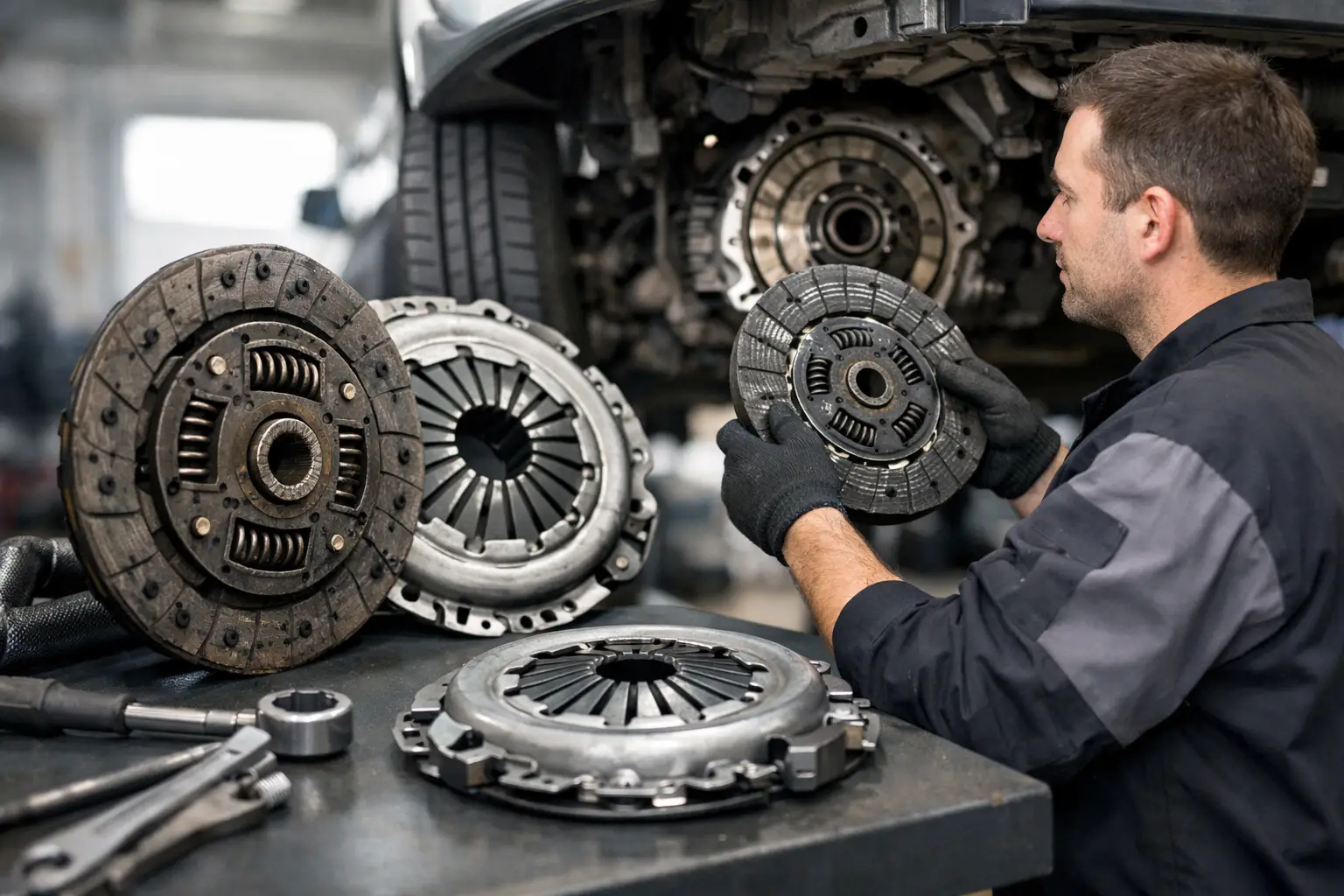
The clutch system is not just one part. When people say “the clutch”, they are usually referring to a group of components working together between the engine and gearbox. That can include the clutch plate, pressure plate, flywheel, release bearing, and in some vehicles, hydraulic parts such as the master or slave cylinder.
A clutch repair usually means fixing one specific fault within that system. For example, if a hydraulic slave cylinder is leaking, replacing that cylinder may solve the problem without changing the full clutch assembly. If a linkage issue is stopping proper engagement, that may also be repairable on its own.
A clutch replacement usually means removing the gearbox and fitting a new clutch kit, often including the clutch plate, pressure plate, and release bearing. In some cases, the flywheel also needs machining or replacement. This is more involved, but if the friction components are worn out, replacing the clutch is generally the sensible option.
Signs your clutch may need attention
Some clutch problems build up gradually. Others show up all at once. Either way, there are a few common warning signs that should not be ignored.
If the engine revs climb but the car does not accelerate properly, the clutch may be slipping. If first gear or reverse has become difficult to select, the clutch may not be disengaging fully. A burning smell after hill starts or stop-start traffic can point to excess clutch wear. You may also notice vibration when moving off, unusual noises when pressing the pedal, or a clutch pedal that feels soft, low, or inconsistent.
Not every one of these signs means you need a complete clutch replacement. A poor pedal feel, for example, can sometimes be caused by a hydraulic fault rather than a worn clutch plate. That is why guessing can get expensive.
When it makes sense to repair a clutch issue
There are situations where a targeted repair is the better choice. If the friction plate and pressure plate are still in good condition, and the issue is isolated to a supporting component, repairing that fault can be worthwhile.
Hydraulic problems are a good example. A failed master cylinder or slave cylinder can make the clutch feel faulty even when the clutch assembly itself is still serviceable. Likewise, some noise concerns may come from a release mechanism problem rather than complete clutch wear.
The age and value of the vehicle also matter. If a car has had a clutch fitted relatively recently and one external component has since failed, repairing that specific issue can make good financial sense. But that only holds up if the rest of the system is genuinely in sound condition.
When replacing the clutch is the smarter option
Once the clutch plate is badly worn, there is no real repair for it. The same goes for a pressure plate with weak clamping force or a release bearing that has reached the end of its life. Because gearbox removal is labour-intensive, it is often more economical to replace the full clutch kit while access is available rather than swap one worn part and hope for the best.
This is especially true if the vehicle has high kilometres, the clutch has been slipping for a while, or there are multiple symptoms at once. If the gearbox has to come out anyway, most drivers are better off choosing the complete fix rather than paying labour twice.
There is also the reliability factor. If you use your car daily for commuting, school runs, or work, the cheaper option is not always the one with the lower invoice today. The smarter option is often the repair that avoids more downtime next month.
The hidden factor – what else may be worn?
One reason the repair or replace clutch decision is not always straightforward is that clutch damage can affect nearby components. A worn or overheated clutch can leave hot spots on the flywheel. A leaking rear main seal can contaminate the clutch. In dual mass flywheel systems, internal wear can cause vibration and poor engagement even with a new clutch fitted.
This is where experience matters. Replacing only the obvious part without checking the wider system can lead to repeat problems. A proper inspection should look beyond the clutch plate itself and consider whether the flywheel, hydraulics, mounts, or seals are contributing to the issue.
Cost versus value – not just the cheapest quote
Most people ask about price early, which is fair enough. Clutch work is a bigger job than basic servicing, and nobody wants surprises. But the cheapest quote is not always the best value if it leaves out important parts, ignores machining or flywheel issues, or relies on a patch-up where replacement is really needed.
A clear quote should explain what is being replaced, what has been inspected, and whether there are any known risks with doing only a partial repair. That level of transparency helps you make the right call for your vehicle and your budget.
It also helps to think about how long you plan to keep the car. If you are keeping it for years, a proper clutch replacement is usually easier to justify. If the vehicle is nearing the end of its life, you may choose the minimum sensible repair – but only if it is safe and reliable enough for everyday use.
Why diagnosis matters before any clutch work
Clutch symptoms can overlap with gearbox issues, engine mount problems, hydraulic faults, and even driving habit-related wear. A stiff gear change does not always mean the gearbox is failing. A shudder on take-off does not always mean the clutch plate is finished. Good diagnosis saves money because it avoids replacing parts that were never the problem.
For mobile customers, this is particularly valuable. When a mechanic can inspect the vehicle at your home or workplace, you get a more practical path forward without losing a day at a workshop waiting room. Hazara Mobile Mechanic focuses on that kind of straightforward support – accurate diagnosis, honest advice, and repairs carried out where it suits you.
How to decide whether to repair or replace clutch problems
The best decision usually comes down to four things: the exact fault, the overall condition of the clutch system, the labour involved, and how you use the car.
If the issue is external and isolated, a repair may be enough. If the clutch assembly is worn, slipping, contaminated, noisy, or already removed for access, replacement is usually the better investment. If you rely heavily on the vehicle, reliability should carry more weight than chasing the lowest upfront cost.
It is also worth being realistic about symptoms. Once a clutch starts slipping, it rarely improves on its own. Continuing to drive can turn a manageable repair into a more expensive one, especially if flywheel damage develops or the vehicle becomes unsafe to drive.
What drivers should do next
If your car is showing signs of clutch trouble, do not wait for it to leave you stranded in traffic or stuck in the driveway. Early inspection gives you more options. Sometimes that means a targeted repair. Sometimes it confirms a full clutch replacement is due. Either way, you get clarity before the problem grows.
The most useful next step is not guessing from symptoms online or hoping it gets better by itself. It is getting the vehicle checked by someone who can assess the fault properly, explain the options in plain language, and recommend the fix that makes sense for your car, your budget, and your routine.
A clutch problem is frustrating, but it does not have to turn into a drawn-out headache. The right advice, at the right time, can save you both money and hassle.
Need a mobile mechanic?
Hazara Mobile Mechanic comes to you across Wallan and up to 70 km around. Open 7 days, 7am to 10pm, with emergency service 24/7. Call or text 0466 666 945, message us on WhatsApp or book online. See our services and the areas we cover.

Comments are closed