

A used car can look great in the photos, sound fine on the phone, and still turn into an expensive problem a week later. That is why knowing what to check before buying used car matters so much, especially if you rely on your vehicle every day for work, school runs, or getting around Melbourne’s northern suburbs.
The good news is you do not need to be a mechanic to make a smart decision. You just need a clear process, a bit of patience, and the confidence to slow the sale down if something does not feel right. A tidy exterior and a friendly seller are not enough on their own.
Before buying used car: start with the basics
Before you even look at the car in person, ask a few direct questions. How long have they owned it? Why are they selling it? Does it have a service history? Has it been in any accidents? Is there anything currently not working as it should?
You are not just collecting facts. You are also paying attention to how the seller answers. Straight, consistent answers are a good sign. Vague replies, pressure to move quickly, or a story that keeps changing should make you cautious.
It also helps to check whether the asking price matches the car’s age, kilometres, condition, and model. If the price is well below similar vehicles, there is usually a reason. Sometimes it is a genuine quick sale, but often it points to hidden faults, damage, or neglected maintenance.
The first walk-around tells you plenty
When you inspect the car, do not start with the engine. Walk around it slowly. Look at the body panels from different angles and in good light. Mismatched paint, uneven panel gaps, fresh overspray, or ripples in the metal can suggest previous accident repairs.
Check the windscreen for cracks or chips. Look at the tyres as well. Uneven tyre wear can point to suspension, steering, or alignment issues. If all four tyres are different brands or badly worn, that can also suggest the car has not been maintained consistently.
Open and close each door, the boot, and the bonnet. They should move properly and line up cleanly. A boot that does not shut right or a bonnet that sits unevenly can be more than cosmetic.
Inside the cabin, wear and tear should generally match the odometer reading. If the car claims low kilometres but the steering wheel, pedals, and driver’s seat are heavily worn, ask more questions. It does not automatically mean the reading is wrong, but it is worth checking.
Check the paperwork before buying a used car
A used car is not just about how it drives. The paperwork matters just as much. Ask to see the service records and compare them with the current odometer reading. Regular servicing is one of the best signs that an owner has looked after the vehicle.
Missing history does not always mean you should walk away, but it does increase the risk. If there are no records for major items like timing belt replacement, transmission servicing, or cooling system work, you need to factor that into your decision and budget.
Make sure the VIN on the vehicle matches the paperwork. Confirm registration details and check whether there is any finance owing on the car. This step is easy to overlook when a seller seems genuine, but it can save a lot of trouble later.
Receipts for recent repairs can also be helpful, though they need context. A new battery or fresh brakes can be a plus. A long list of recent repairs might mean the owner is staying on top of maintenance, or it might mean they are trying to offload a car that has become unreliable. It depends on the pattern.
Under the bonnet: simple signs anyone can spot
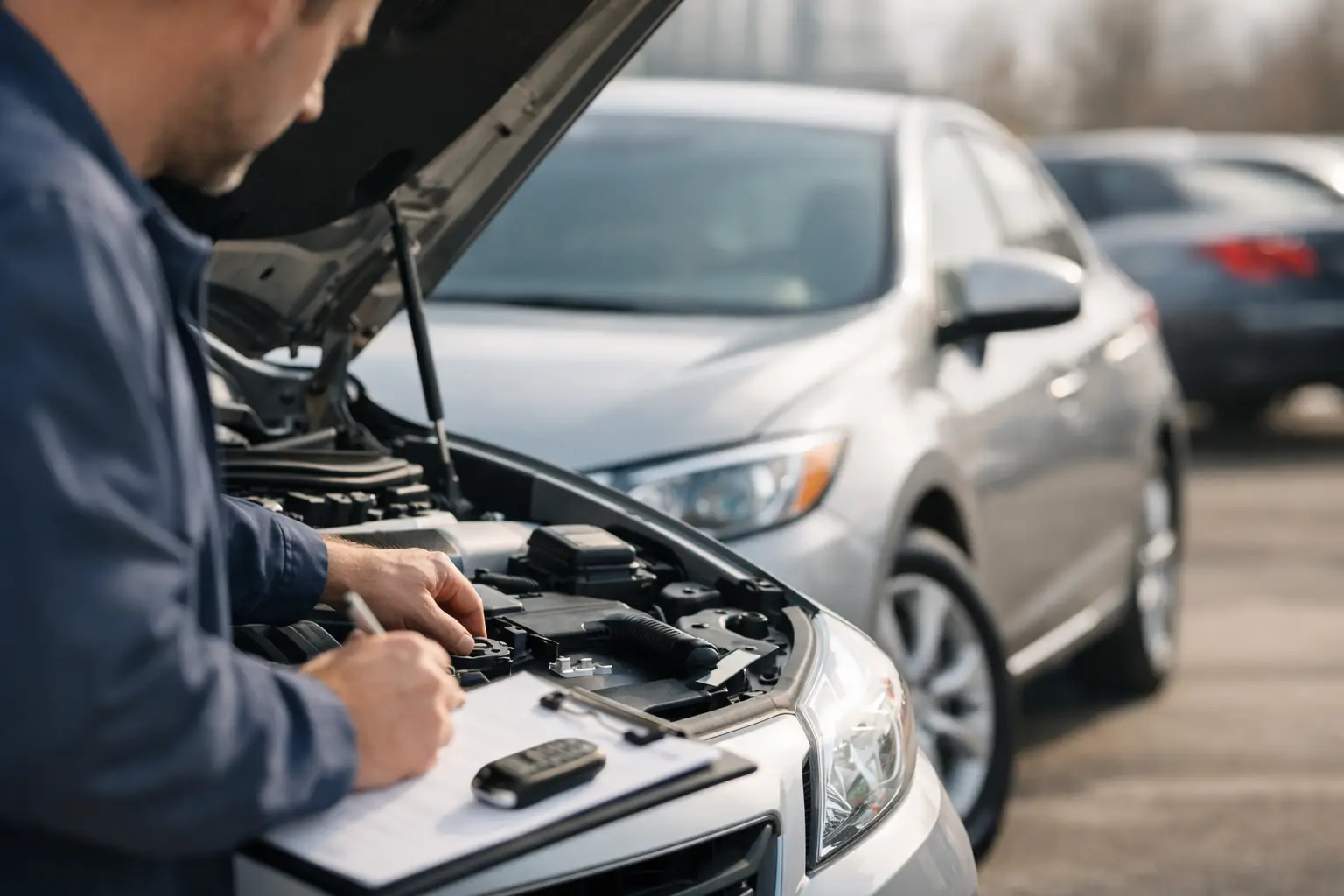
You do not need to diagnose every component yourself, but there are a few easy things to look for. Check for oil leaks around the engine bay and underneath the vehicle. Look at the coolant level and condition if visible, and watch for sludge, contamination, or signs of overheating.
Inspect the engine oil on the dipstick if the seller allows it. Very dirty oil is not ideal, though fresh oil alone is not proof of a healthy engine either. Sometimes sellers change the oil just before sale to make the car look better maintained than it is.
Belts and hoses should not look brittle or badly cracked. Battery terminals should be secure and not heavily corroded. If the engine bay looks freshly cleaned, be alert. A clean engine bay can be harmless, but sometimes it is done to hide leaks.
Start the engine from cold if possible. A cold start can reveal more than a warm engine that has already been running. Listen for rattles, knocking, rough idling, or excessive smoke from the exhaust. Some issues only show up in the first few minutes.
The test drive is where problems often show up
A short drive around the block is not enough. If possible, test the car on local streets and at higher speeds. You want to see how it behaves in normal conditions, not just how it feels in a car park.
Pay attention to how the engine responds under acceleration. It should feel smooth and consistent. Harsh shifting in an automatic, clutch slip in a manual, vibration through the steering wheel, or pulling to one side when braking all deserve further investigation.
Listen with the radio off. Suspension clunks, wheel bearing noise, brake squeal, and drivetrain vibrations are easier to notice in silence. Test the air conditioning, windows, lights, wipers, and infotainment too. Small electrical faults can become annoying quickly, and they are not always cheap to fix.
Keep an eye on the temperature gauge during the drive. If the engine runs hot or the gauge behaves strangely, do not ignore it. Cooling system problems can turn into major repairs.
Red flags people often miss
Some warning signs are obvious, but others get brushed aside because the car looks clean or the seller seems trustworthy. A dashboard warning light that has been “reset” is one example. So is a seller who insists there is no time for an independent inspection because other buyers are interested.
Be careful with phrases like “just needs a small fix” or “priced to sell because I do not have time”. Sometimes that is true. Sometimes it is a way to shift a bigger issue onto the next owner.
A fresh roadworthy certificate can be helpful, but it is not the same as a full mechanical inspection. A car can pass minimum requirements and still need expensive work soon after purchase. That is where buyers can get caught.
Why a pre-purchase inspection is worth it
If you are serious about the car, a pre-purchase inspection is one of the smartest steps you can take. It gives you a clearer picture of the vehicle’s actual condition, including problems that are hard to spot during a casual inspection.
This is especially useful if you are buying privately, comparing a few options, or looking at a car with higher kilometres. A proper inspection can pick up leaks, brake wear, suspension faults, cooling system issues, accident repairs, and other concerns that may affect safety, reliability, or value.
It can also help with negotiation. If the car is sound overall but needs tyres, brakes, or a battery soon, you can use that information to discuss a fairer price. If the report shows major faults, you can walk away before the cost becomes yours.
For busy buyers, having a mobile mechanic inspect the car at the seller’s location makes the process much easier. That convenience matters when you are juggling work, family, and limited time, and it helps you make a decision based on facts rather than pressure.
Before buying a used car, know when to walk away
The hardest part for many buyers is stepping back after they have already invested time in a car. But walking away can be the best decision you make. If the seller is evasive, the history does not add up, or the inspection raises serious concerns, there will always be another car.
A used car should make your life easier, not fill your weekends with repairs and your bank account with surprise costs. Buying carefully takes a little more time upfront, but it usually saves far more later.
If you are unsure, trust the process rather than the sales pitch. A good car will stand up to proper checks, a fair test drive, and an independent inspection. That is the kind of confidence worth paying for.
When you are close to making a decision, give yourself one final pause. If the car still looks right after all the checks, you are probably buying with your head as well as your heart – and that is usually when a used car turns out to be a good one.
Need a mobile mechanic?
Hazara Mobile Mechanic comes to you across Wallan and up to 70 km around. Open 7 days, 7am to 10pm, with emergency service 24/7. Call or text 0466 666 945, message us on WhatsApp or book online. See our services and the areas we cover.

Comments are closed