


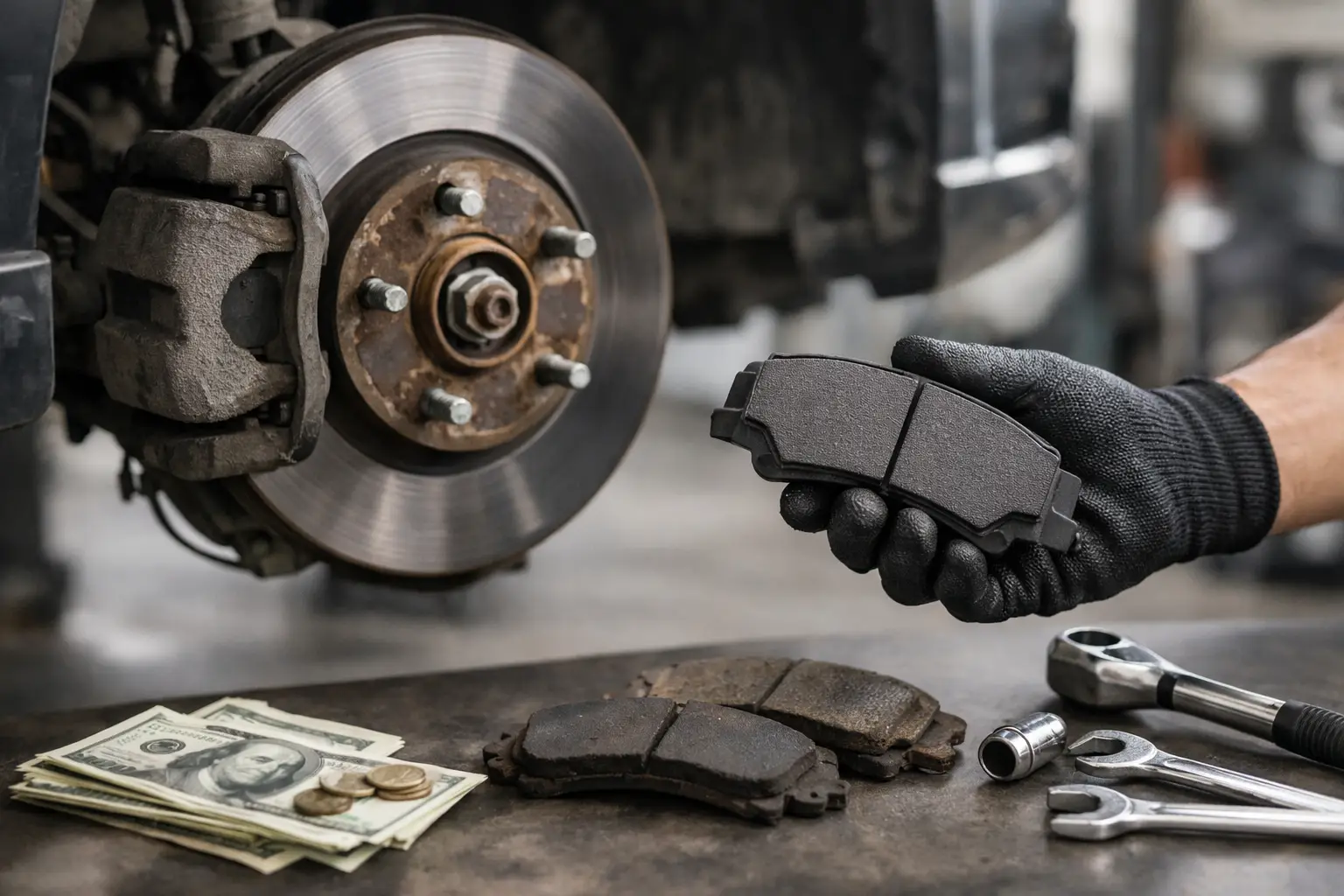
That squeal when you slow down at the lights is easy to put off for another week. Then another. But when it comes to brake pad replacement cost, waiting usually makes the job more expensive, not less. Worn pads can start damaging the rotors, reduce braking performance and turn a straightforward repair into a bigger bill.
For most drivers around Wallan and Melbourne’s northern suburbs, the real question is not just what brake pads cost. It is what you are actually paying for, why quotes can vary so much, and how to tell whether the price is fair. If you understand the basics, it becomes much easier to book the job with confidence and avoid surprises.
What affects brake pad replacement cost?
Brake pad replacement cost depends on a few practical factors, and the biggest one is your vehicle. A small hatchback usually costs less than a large SUV, European vehicle or performance model because the parts are often simpler and more affordable. Some vehicles also need more time to access and fit the pads, which affects labour.
The second factor is whether you are replacing front pads, rear pads or both. Front brakes generally wear faster because they handle more of the braking force. If only the front pads are worn, your cost will be lower than a full front-and-rear replacement. If both ends need attention, naturally the price increases.
Parts quality also matters. Budget pads can reduce the upfront price, but they may wear out faster, create more brake dust or make more noise. Better-quality pads usually cost more, but they often provide quieter operation, stronger performance and longer life. For everyday drivers, the right option is usually the one that balances reliability, safety and value rather than simply being the cheapest available.
Labour is another part of the quote. A standard brake pad job may be fairly straightforward, but not every vehicle is. Seized components, worn hardware or electronic parking brake systems can add time. If your mechanic finds uneven wear, damaged rotors or sticking calipers, there may be additional work needed to complete the job properly.
Typical brake pad replacement cost in Australia
As a general guide, brake pad replacement cost in Australia often starts from around $150 to $300 for one axle on many standard vehicles, but it can go higher depending on the car and the parts fitted. For both front and rear pads, many drivers end up somewhere between $300 and $600 or more. Premium vehicles, 4WDs and European models can sit above that range.
These numbers are only guides, not fixed rules. A quote that looks very cheap may only cover basic parts without checking whether rotors, sensors or hardware need attention. On the other hand, a higher quote may include better-quality components, fitting, inspection and a more complete brake service.
That is why comparing price alone does not always help. You want to know what is included. Are the pads being replaced with a trusted brand? Is the brake system being inspected properly? Are there signs of rotor wear that could affect safety or performance? A good quote answers those questions clearly.
Why one quote can be much cheaper than another
If you have ever collected two or three brake quotes and wondered why they are nowhere near each other, there is usually a reason. The cheapest price may only cover the bare minimum. It might not include machining or replacing rotors if needed, cleaning and lubricating components, or checking the rest of the braking system.
There is also a difference between aftermarket parts. Some are excellent. Some are simply cheap. Low-cost pads can sometimes be noisier, less effective under heavy braking or wear down quicker than expected. Saving money upfront can make sense in some cases, but if the pads do not last or perform well, the value disappears quickly.
Convenience can also affect pricing, but not always in the way people expect. With a mobile mechanic, you are paying for the job to be done at your home or workplace, which saves you travel time, waiting around and the hassle of being without your car for half a day. For many busy families and commuters, that convenience is worth a lot, especially when the pricing is still competitive.
When brake pads are not the only thing that needs replacing
Sometimes a brake pad replacement starts as a simple job and turns into something a bit more involved. That does not always mean the quote was wrong. It often means the worn pads have already affected other components.
Brake rotors are the most common example. If the pads have worn too thin, the metal backing can score the rotors. Even before that point, rotors can become too thin, develop heat spots or wear unevenly. In those cases, replacing pads alone may not solve the issue. You could still end up with vibration, noise or reduced braking performance.
Calipers can also create problems. If a caliper is sticking, one pad may wear much faster than the other. Fitting new pads without fixing the cause means the new pads could wear out early as well. Brake fluid condition, hoses and hardware may also need inspection depending on the age and condition of the vehicle.
This is where experience matters. A proper brake service is not just swapping out old pads and sending you on your way. It is about making sure the system is safe, balanced and working as it should.
Signs you should not delay the job
Most drivers notice the warning signs before the brakes get dangerous, but they do not always act on them straight away. Squealing is common and often means the pads are getting low. Grinding is more serious and can suggest metal-on-metal contact. If the car takes longer to stop, pulls to one side, or the brake pedal feels different, it is time to get it checked.
Some vehicles also have dashboard brake wear warnings. These should not be ignored. Even if the car still feels mostly normal, the pads may be close to their limit.
Delaying brake work can cost more in two ways. First, it increases the chance of damaging rotors and other components. Second, it puts safety at risk. Brakes are one of those areas where hoping it will be fine is not a great plan.
How to get a fair quote for brake pad replacement cost
The easiest way to get a fair idea of brake pad replacement cost is to provide your vehicle details and explain any symptoms you have noticed. The make, model, year and whether the issue seems to be at the front or rear all help. If there is squealing, grinding or vibration, mention that too.
Ask what the quote includes. A clear answer should tell you whether it covers parts and labour, which axle is being worked on, and whether there may be extra costs if rotors or other components are worn. Transparent pricing matters because it helps you make a decision without guessing.
It is also worth asking what kind of pads are being fitted. You do not need a long technical breakdown. You just want to know that the parts are suitable for your car and driving needs. For a daily driver used around the suburbs and on the freeway, dependable quality and quiet performance usually matter more than chasing the lowest possible price.
Why mobile brake repairs suit busy drivers
Brake issues rarely happen at a convenient time. Usually it is when you are juggling work, school drop-off, appointments or a long commute. Taking the car to a workshop can mean rearranging the day, waiting around or organising a lift.
That is why mobile brake repairs make sense for so many local drivers. Having a qualified mechanic come to your home or workplace takes a lot of friction out of the process. The job gets done where the car already is, and you can carry on with your day instead of sitting in a waiting room.
For many customers, that convenience is just as valuable as the repair itself. It is one reason mobile services are becoming a practical choice for routine brake work, especially when you still want professional care, clear communication and competitive pricing. Hazara Mobile Mechanic works with exactly that in mind – making car repairs easier without cutting corners.
If your brakes are making noise or your car is due for inspection, the best time to ask about the cost is before the problem grows. A straightforward quote, honest advice and timely repair can save money, save time and make the next drive feel a lot more reassuring.
Need a mobile mechanic?
Hazara Mobile Mechanic comes to you across Wallan and up to 70 km around. Open 7 days, 7am to 10pm, with emergency service 24/7. Call or text 0466 666 945, message us on WhatsApp or book online. See our services and the areas we cover.

Comments are closed