


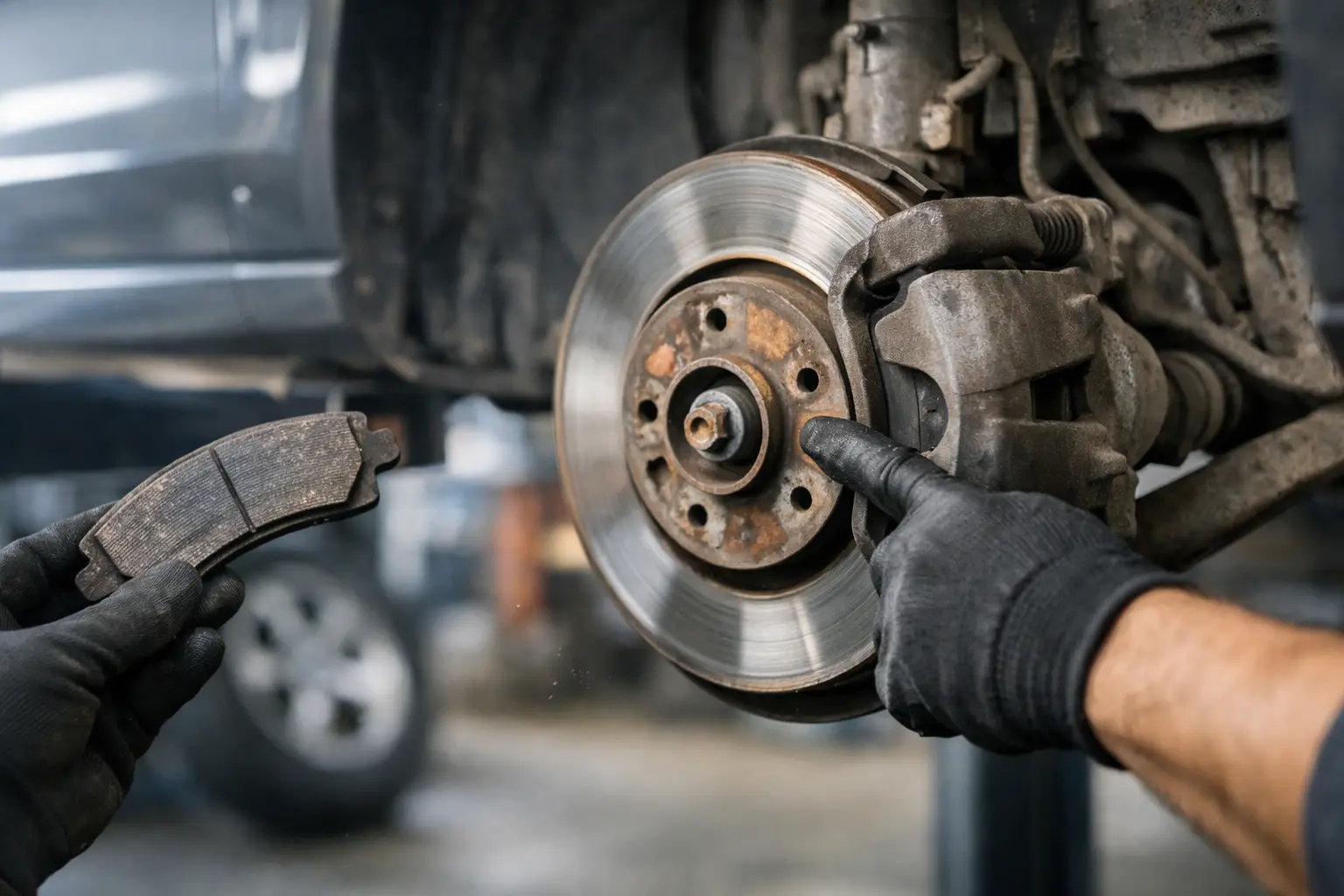
A brake warning light on the dash, a squeal at the lights or a pedal that suddenly feels different can turn an ordinary drive into a concern. If you are asking when should brakes be replaced, the safest answer is before wear affects your ability to stop predictably. Brakes rarely fail without warning, but the early signs are easy to put off when work, school runs and daily commuting are already busy.
For drivers in Wallan and Melbourne’s northern suburbs, brake condition matters in stop-start traffic, wet winter roads and longer highway runs alike. A prompt inspection can often keep a straightforward pad replacement from becoming a larger repair involving damaged discs, calipers or brake fluid.
When should brakes be replaced?
Brake pads should be replaced when their friction material is worn close to the manufacturer’s minimum thickness, when they are wearing unevenly, or when they no longer deliver safe, smooth braking. There is no single kilometre figure that applies to every vehicle. Some pads may last 30,000 km, while others can last well beyond 70,000 km.
Your driving conditions make a real difference. Regular city driving, steep hills, towing, carrying heavy loads or frequent short trips all ask more of the brakes. A family SUV doing school drop-offs and peak-hour driving may need pads sooner than a lightly used hatchback that spends most of its time on open roads.
The best approach is to have the brakes checked at each scheduled service and any time the vehicle feels or sounds different. A mechanic can measure pad thickness, inspect the discs and identify problems that cannot be confirmed by sound alone.
Warning signs your brakes need attention
A noise does not always mean the brakes need immediate replacement, but it always deserves a proper check. Many modern brake pads include a small wear indicator that makes a high-pitched squeal when the pad material is low. This is designed to get your attention before the metal backing plate reaches the brake disc.
Watch for these four common signs:
- A persistent squeal, scraping or grinding noise when braking
- A steering wheel, brake pedal or whole vehicle vibration under braking
- A soft, spongy pedal, a pedal that travels further than usual, or a vehicle that pulls to one side
- A brake warning light, reduced braking performance or a burning smell after normal driving
Grinding is particularly urgent. It may mean the pad material has worn away and metal is contacting metal. Continuing to drive can score or overheat the disc, increasing repair costs and reducing stopping performance.
A vibration through the pedal or steering wheel can point to uneven disc surfaces, excessive disc run-out or a braking component that is not operating correctly. It is sometimes described as warped discs, but the cause needs to be diagnosed rather than assumed. Replacing pads alone will not fix every vibration issue.
Brake pads, discs and fluid wear differently
Brake pads are the parts most people think of first, but a safe braking system is made up of several components working together. The pads clamp against the brake discs to slow the wheels. As pads wear, the discs also become thinner and may develop grooves, heat spots or an uneven surface.
Discs do not automatically need replacement every time pads are changed. If their thickness, surface and run-out are within specification, they may remain serviceable. However, fitting new pads to badly worn or damaged discs can lead to noise, vibration and poor bedding-in. Depending on the vehicle and the disc condition, replacement may be the sensible option.
Brake fluid needs attention too. It absorbs moisture over time, which can lower its boiling point and contribute to a soft pedal under heavy braking. Vehicle manufacturers set brake fluid replacement intervals, commonly every two years, although the correct schedule is in your logbook. Fluid leaks, contaminated fluid and a sinking pedal require immediate inspection.
Calipers, hoses and wheel bearings can also affect braking. A sticking caliper may cause one pad to wear much faster than the other and can leave a wheel unusually hot. That is why a full inspection is more reliable than simply replacing pads because they look low.
How to tell the difference between normal noise and a problem
A brief squeal on a cold or damp morning can happen when light surface moisture forms on the discs overnight. It should disappear after a few gentle brake applications. Likewise, a small amount of brake dust on alloy wheels is normal, especially with some pad compounds.
What is not normal is a noise that continues every drive, gets louder when you brake, or is joined by vibration, pulling or reduced stopping power. Do not rely on the stereo being turned up to make it disappear. A quick check while the issue is still minor is safer and usually more affordable.
Be cautious after a brake repair as well. New pads may need a bedding-in period to match the disc surface. During this time, avoid repeated heavy stops unless an emergency requires it. Your mechanic can explain the appropriate bedding procedure for your vehicle and the parts fitted.
Do not wait if braking feels unsafe
If the brake pedal goes close to the floor, the vehicle pulls sharply, you hear metal-on-metal grinding or a red brake warning light appears, avoid driving the vehicle unless it is necessary to move it out of immediate danger. Arrange an inspection or roadside support instead.
The same applies if you notice smoke, a strong burning smell or one wheel that is extremely hot after a normal drive. These symptoms can indicate a seized brake component. Continuing on can damage the system further and create a serious safety risk.
For less urgent signs, such as a light squeal or an upcoming service, booking a brake inspection early gives you options. You can plan the work around your schedule rather than being caught out when the problem becomes urgent.
What a professional brake inspection should include
A useful inspection goes beyond a glance through the wheel spokes. The mechanic should assess pad thickness and wear pattern, disc condition and thickness, caliper movement, brake hoses, fluid condition and any leaks. They should also road test the vehicle where appropriate to confirm concerns such as pulling, vibration or unusual pedal feel.
This process helps separate normal wear from faults that need further work. For example, uneven front pad wear may be caused by a seized slide pin, while rear brake issues on some vehicles may involve an electronic parking brake system. The right repair depends on the cause, not just the visible symptom.
Ask for a clear explanation of what has been found, what needs attention now and what can be monitored. Transparent advice makes it easier to make a safe decision without replacing parts prematurely.
Make brake maintenance fit around your day
Brake repairs do not always have to mean losing time sitting in a workshop waiting room. Hazara Mobile Mechanic can inspect and carry out suitable brake repairs at your home or workplace across Wallan and Melbourne’s northern suburbs, subject to the vehicle and repair required. It is a practical option when a noisy brake or upcoming service is competing with a full week.
Keep an ear out for changes, follow your vehicle’s service schedule and act early when braking does not feel right. Your brakes are one system where prompt, professional attention protects more than your car – it helps protect everyone travelling with you.
Need a mobile mechanic?
Hazara Mobile Mechanic comes to you across Wallan and up to 70 km around. Open 7 days, 7am to 10pm, with emergency service 24/7. Call or text 0466 666 945, message us on WhatsApp or book online. See our services and the areas we cover.

Comments are closed