


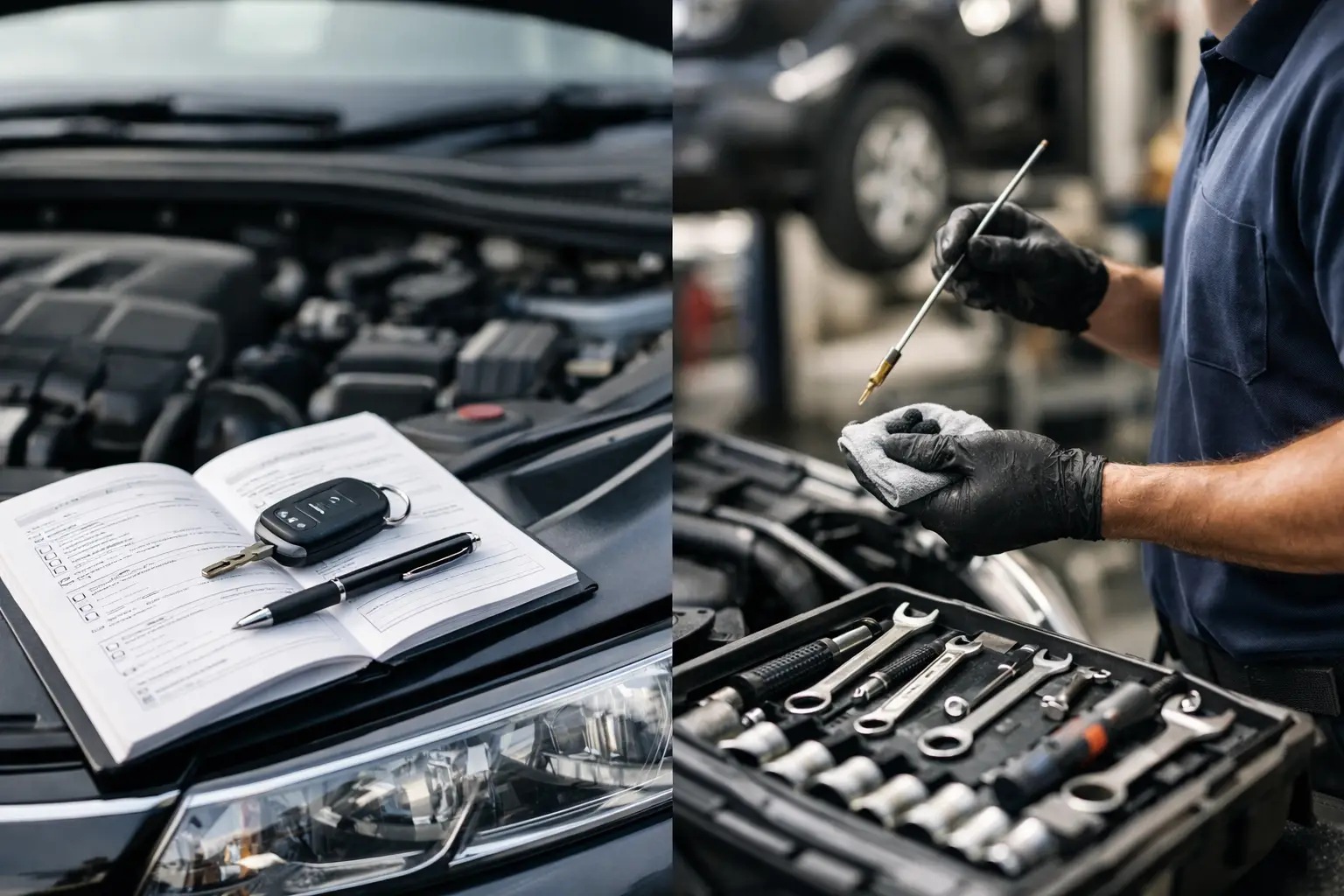
If your mechanic asks whether you want logbook or basic servicing, it is not just a question about price. The choice affects your warranty, your service history, and how closely your car is maintained to the manufacturer’s schedule. For many drivers, the real issue in logbook vs basic servicing is knowing what your car actually needs right now, without paying for work that does not make sense.
For busy households and commuters around Wallan and Melbourne’s northern suburbs, that decision usually comes down to two things – protecting the car properly and keeping life moving. If you use your vehicle every day for work, school drop-offs, shopping, or long commutes, servicing needs to be practical as well as thorough.
Logbook vs basic servicing: the core difference
The simplest way to look at logbook vs basic servicing is this: logbook servicing follows the vehicle manufacturer’s prescribed schedule, while a basic service covers general routine maintenance without being tied to that exact schedule.
A logbook service is designed around your car’s make, model, age, and kilometres travelled. The manufacturer sets out what needs to be inspected, adjusted, or replaced at each interval. That may include engine oil and filter changes, safety checks, fluid top-ups, brake inspections, and at certain milestones, items such as spark plugs, air filters, fuel filters, transmission fluid, or coolant.
A basic service is more general. It usually focuses on the essentials needed to keep the car running safely and reliably between major services. That often means changing the oil and filter, checking tyre condition and pressures, inspecting brakes, topping up fluids, and carrying out a visual check of key components.
Neither option is automatically better in every situation. The right one depends on the age of the car, whether it is still under warranty, how complete you want the service history to be, and whether your vehicle is due for manufacturer-scheduled work.
When logbook servicing makes more sense
If your car is still under manufacturer warranty, logbook servicing is usually the safer choice. It helps show that the vehicle has been maintained according to the required schedule, which can matter if you ever need to make a warranty claim.
It also suits owners who want a clear, documented service record. That can be valuable when it comes time to sell the car. Buyers often feel more confident when they see that each scheduled service has been completed at the right intervals rather than receiving only occasional general servicing.
Logbook servicing also matters because modern vehicles are not all maintained the same way. Different engines, transmissions, and systems have different requirements. One car may need a particular oil specification, while another may have a specific inspection item due at a set kilometre mark. Following the logbook reduces the risk of missing those details.
That does not mean a logbook service is only for new cars. Many owners of late-model vehicles prefer to stay on schedule even after warranty ends because it keeps maintenance more predictable. You are less likely to overlook a time-based service item that could later turn into a larger repair.
When basic servicing is the better fit
Basic servicing often makes sense for older vehicles, especially those well out of warranty. If your car has done plenty of kilometres and you mainly need reliable day-to-day performance, a basic service can be a practical and cost-effective option.
It is also useful when the vehicle is not due for a major scheduled service but still needs routine attention. For example, if you have covered a lot of stop-start suburban driving, done frequent short trips, or noticed the oil is due before the next scheduled interval, a basic service can keep the car in good shape without overcomplicating things.
For some owners, budget is a genuine factor. A basic service can help you stay on top of maintenance rather than delaying it altogether. That is important, because skipped servicing usually costs more in the long run than keeping up with the essentials.
Still, basic servicing should never mean minimal care or a quick once-over. A proper service should still include meaningful checks and honest advice about wear, leaks, brake condition, battery health, belts, hoses, and other common problem areas.
What is usually included in each
There can be some overlap between the two, which is where people get confused. Both service types generally involve a mechanic checking the condition of the vehicle and replacing engine oil and the oil filter where appropriate.
The difference is depth and timing. A basic service tends to focus on immediate routine maintenance. A logbook service follows a manufacturer checklist for that exact interval, so the inclusions can change depending on whether your car is due for a 10,000 km, 30,000 km, 60,000 km or another scheduled service.
In practical terms, a logbook service may include additional replacement items or inspections that a standard basic service would not automatically cover. That is why two services can sound similar at first but be priced differently once the exact requirements are confirmed.
This is also why clear communication matters. A good mechanic should explain what is included, what is due now, and what can reasonably wait until the next interval.
Price matters, but value matters more
A lot of drivers compare logbook vs basic servicing mainly on cost, and that is understandable. In most cases, a basic service will be cheaper upfront. It is more general and usually involves fewer scheduled replacement items.
But cheapest is not always best value. If your car is due for manufacturer-recommended work and you skip it repeatedly, you may save money today only to face avoidable repairs later. Worn fluids, neglected filters, or overdue ignition components can affect fuel economy, drivability, and reliability.
On the other hand, paying for a full logbook service when your older vehicle does not need every scheduled item right now may not always be the smartest spend either. This is where experience counts. The best advice is practical advice, based on the actual condition of the car, how you use it, and what will keep it dependable.
Why your driving habits change the answer
Not every car with the same odometer reading has had the same kind of life. A vehicle used mostly on open roads may have less wear in some areas than one doing constant short trips, heavy traffic, school runs, or towing.
If your driving is mostly local and stop-start, your engine oil can degrade differently than if you regularly do longer highway runs. Brakes may wear faster. Batteries can also suffer when a car is driven only short distances. In cases like that, a car may benefit from attention sooner than the logbook interval suggests, or need a more tailored recommendation than a standard service package implies.
That is another reason the choice is not purely about ticking a box. Good servicing should reflect the way the vehicle is actually used.
Choosing the right service for your car
If you are unsure which way to go, start with three questions. Is the car still under warranty? Is it due for a manufacturer-scheduled interval? And do you want to maintain a complete logbook history for resale or peace of mind?
If the answer to any of those is yes, logbook servicing is often the right fit. If the car is older, out of warranty, and mainly needs regular maintenance to stay safe and reliable, a basic service may be the more sensible option.
It is also fine to move between the two depending on the vehicle’s stage of life. Some owners keep up with full logbook servicing during the warranty period, then shift to basic servicing later while still addressing major maintenance items as needed. That can be a sensible middle ground if it is managed properly.
For drivers who want convenience without giving up professional care, that conversation is much easier when the mechanic comes to you and explains the options clearly. Hazara Mobile Mechanic works with all kinds of local drivers, from people who just want straightforward servicing at home to owners who need their manufacturer schedule followed properly.
The best service is not the one with the fanciest name. It is the one that matches your car, your warranty, and the way you use it – and gives you confidence when you turn the key tomorrow morning.
Need a mobile mechanic?
Hazara Mobile Mechanic comes to you across Wallan and up to 70 km around. Open 7 days, 7am to 10pm, with emergency service 24/7. Call or text 0466 666 945, message us on WhatsApp or book online. See our services and the areas we cover.

Comments are closed