

A used car can look spotless in a driveway, sound smooth during a short test drive and still carry problems that are expensive to put right. That is why the best reasons to inspect a used car come down to more than finding a cheaper price. A proper inspection gives you a clearer picture of what you are buying before money changes hands.
For drivers around Wallan and Melbourne’s northern suburbs, a vehicle is often essential for work, school runs, appointments and weekend travel. Buying the wrong one can mean unexpected repair bills, time off the road and plenty of stress. A pre-purchase inspection is a practical step that helps you buy with confidence rather than hope for the best.
It can reveal costly issues hidden from view
Most sellers will present their car at its best. It may have been washed, vacuumed and detailed, with the engine bay looking clean under the bonnet. None of that tells you whether the vehicle has an oil leak, worn suspension components, cooling problems or a developing transmission fault.
Many serious issues are not obvious from the driver’s seat. A small coolant leak can point to a failing hose, radiator or water pump. Smoke from the exhaust may suggest an engine issue. Knocking over bumps can indicate worn steering or suspension parts. These faults may be repairable, but the cost should be known before you agree to buy.
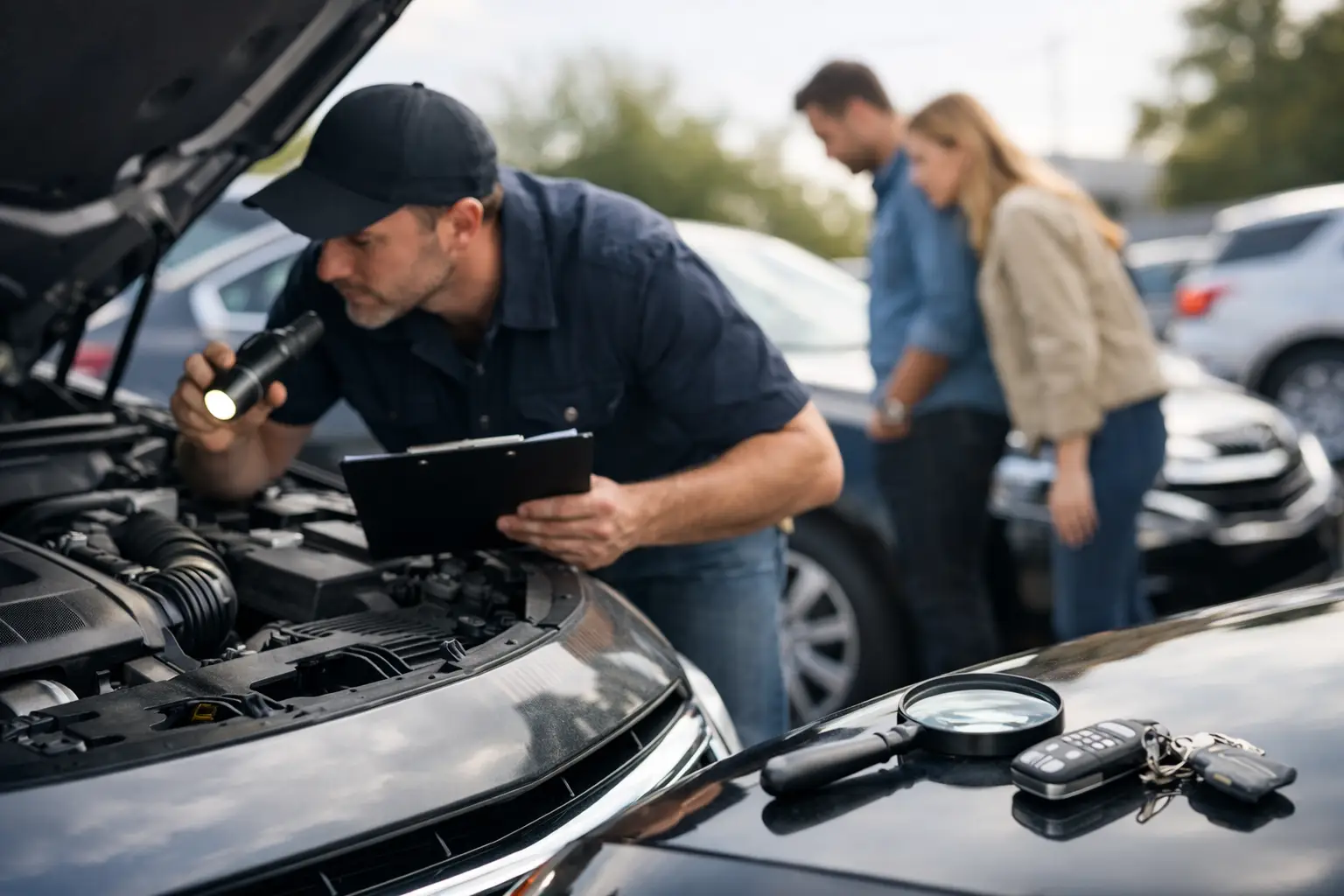
An experienced mechanic checks beyond appearances. They assess the mechanical condition of key systems and look for warning signs that could become a much larger problem after the sale.
Safety faults are one of the best reasons to inspect a used car
A car does not need to be visibly damaged to have safety concerns. Brake pads and tyres may have some life left but still need replacing sooner than expected. Uneven tyre wear can also point to wheel alignment, steering or suspension issues. A warning light on the dash may be minor, or it could relate to a safety system that needs proper diagnosis.
During an inspection, attention should be given to brakes, tyres, steering, suspension, lights, seatbelts and the overall condition of the vehicle. These are not details to leave until later. They affect how the car stops, handles and protects the people inside it.
For families buying a second car, parents choosing a first vehicle for a new driver or commuters relying on a car every day, knowing the basics are safe and serviceable matters more than a shiny paint finish.
You can negotiate based on facts, not guesswork
An inspection does not always mean walking away from a vehicle. In many cases, it gives you the information needed to negotiate fairly.
If the car needs tyres, brake work, a battery or servicing soon, those costs should be factored into the price. If the inspection finds major engine, gearbox or structural concerns, you may decide the vehicle is not worth pursuing at all. Either way, you are making a decision based on the vehicle’s actual condition rather than relying only on the seller’s description.
It is worth remembering that every used car will have some wear. A few minor issues are normal, especially on an older vehicle with higher kilometres. The key is understanding the difference between routine maintenance and repairs that could quickly outweigh the value of the car.
A roadworthy certificate is not a full mechanical assessment
Some buyers assume a current roadworthy certificate means there is nothing to worry about. It is helpful, but it is not the same as a comprehensive pre-purchase inspection.
A roadworthy check focuses on whether a vehicle meets minimum safety standards at the time of inspection. It does not guarantee that the engine, transmission, air conditioning, cooling system, battery or electrical components are in excellent condition. It also cannot predict every fault that may arise shortly after purchase.
A pre-purchase inspection takes a broader look at the car’s present condition. It helps identify maintenance that may be due, visible leaks, signs of poor previous repairs and areas that need further attention. Both have their place, but they answer different questions.
It helps uncover signs of accident damage or poor repairs
Not all accident damage is easy to spot. Panels can be repaired and repainted well enough to look fine at first glance. However, inconsistent paint colour, uneven panel gaps, overspray, mismatched tyres or signs of repairs underneath the vehicle can raise questions about its history.
Previous accident repairs do not automatically make a car a bad buy. What matters is the quality of the repair and whether there are any ongoing concerns. A thorough check can help identify visible signs of damage, corrosion or rushed repair work that a buyer may otherwise miss.
This is particularly useful when a vehicle seems priced well below similar cars. A bargain may be genuine, but it is sensible to understand why the price is lower before committing.
You learn what ownership may really cost
The purchase price is only the start. A used car may need servicing, registration, insurance, tyres, brakes, repairs or replacement parts in the first few months. If you have stretched your budget to buy the car, even a moderate repair bill can put real pressure on household finances.
An inspection gives you a more realistic view of near-term costs. For example, a vehicle with a healthy engine and gearbox but worn tyres and overdue servicing may still be a sensible purchase if the price reflects that work. On the other hand, a cheap car with cooling problems, oil leaks and transmission concerns can become costly very quickly.
This is where a practical assessment is valuable. You do not need a perfect used car. You need one that suits your budget, your driving needs and the level of maintenance you can reasonably manage.
The test drive alone cannot tell you everything
A test drive is still essential. It lets you notice how the car starts, brakes, steers, accelerates and changes gears. Listen for unusual noises, check whether warning lights stay on and make sure the air conditioning, windows, indicators and other controls work as expected.
But test drives are usually short, and sellers may choose a route that does not expose every issue. You may not drive at highway speed, encounter rough roads or notice a fault that only appears once the engine is fully warm. Some problems are also impossible to identify without checking under the car or using diagnostic equipment.
Think of the test drive as your first impression. An inspection is the closer look that confirms whether that impression holds up.
It protects your time as well as your money
Buying a car with hidden faults creates disruption, not just expense. You may need to organise repairs, arrange transport, take time away from work or deal with a breakdown at the worst possible moment. For busy households and commuters, that inconvenience can be just as frustrating as the repair invoice.
A mobile pre-purchase inspection can make the process easier by bringing a qualified mechanic to the vehicle’s location, whether it is at a seller’s home, workplace or dealership. Hazara Mobile Mechanic provides this practical support for buyers who want a professional opinion without adding another trip across Melbourne’s northern suburbs.
When an inspection is especially worthwhile
A pre-purchase inspection is sensible for almost any used vehicle, but it becomes even more valuable when the car is older, has high kilometres, has limited service records or is being sold privately. It is also a wise move when you are buying a diesel, a four-wheel drive, a European vehicle or anything with a more complex engine, transmission or electrical system.
If the seller discourages an inspection, rushes you to pay a deposit or cannot answer basic questions about servicing and repairs, take that as a reason to slow down. A genuine seller should understand that a buyer wants to check a significant purchase properly.
The right used car does not have to be flawless. It should be honestly represented, safe to drive and priced fairly for its condition. Taking the time to inspect it before you buy can turn a stressful decision into a much more confident one.
Need a mobile mechanic?
Hazara Mobile Mechanic comes to you across Wallan and up to 70 km around. Open 7 days, 7am to 10pm, with emergency service 24/7. Call or text 0466 666 945, message us on WhatsApp or book online. See our services and the areas we cover.

Comments are closed