

A radiator failure has a way of disrupting the whole day. You may notice steam from under the bonnet before work, a sweet coolant smell in the driveway, or a temperature gauge climbing while you are stuck in traffic. So, can mobile mechanics replace radiators? In many cases, yes. A qualified mobile mechanic can replace a radiator at your home, workplace or roadside location, provided the vehicle can be safely accessed and the repair is suitable for on-site work.
For drivers in Wallan and Melbourne’s northern suburbs, this can save the trouble of arranging a tow, finding a lift and losing hours at a workshop. But radiator replacement is not always a simple swap. The condition of the cooling system, the vehicle design and the cause of the overheating all matter.
When a mobile mechanic can replace a radiator
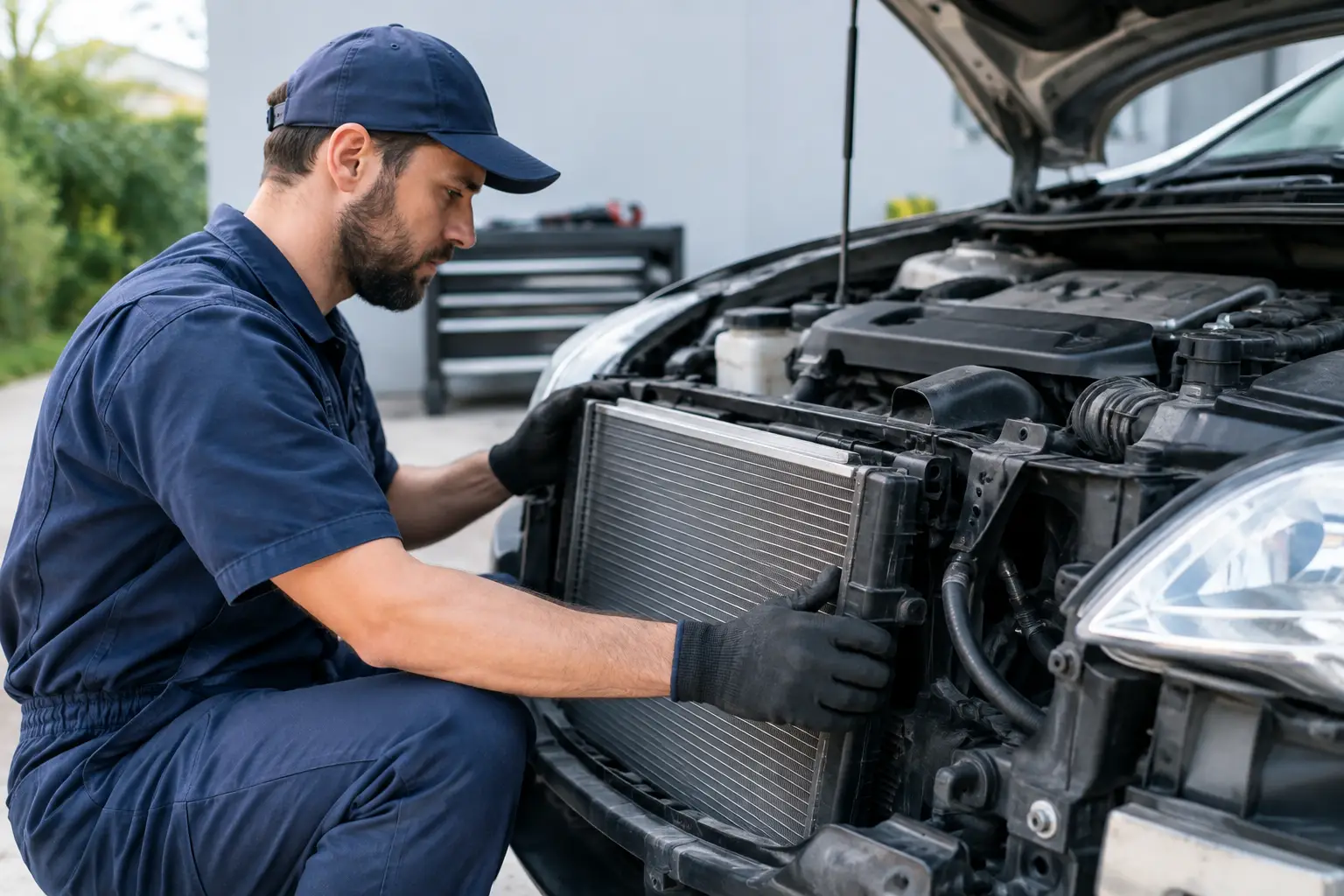
Most radiator replacements are well suited to mobile repairs. The mechanic will inspect the cooling system, confirm that the radiator is leaking or damaged, remove the old unit, fit the correct replacement, refill the cooling system with appropriate coolant and bleed out trapped air. They will then check for leaks and make sure the engine reaches normal operating temperature without overheating.
This work is often practical on common passenger cars, SUVs, utes and many light commercial vehicles. A level driveway, carport or workplace parking area usually provides enough room to carry out the job safely. The vehicle should be cool before work begins, as opening a hot cooling system can be dangerous.
A mobile service is particularly useful when the radiator has developed an obvious leak and the car should not be driven. Continuing to drive an overheating vehicle can turn a manageable cooling repair into a much more expensive engine problem. Having the repair completed where the car is parked may help avoid that risk.
The radiator is only one part of the cooling system
A leak around the radiator tanks, core or drain plug can point clearly to radiator replacement. However, overheating does not automatically mean the radiator is at fault. A failing thermostat, faulty cooling fan, damaged hose, worn water pump, blocked heater core, leaking expansion tank or blown head gasket can produce similar symptoms.
That is why proper diagnosis comes first. Replacing a radiator without identifying the real cause may leave you with the same overheating problem and an unnecessary bill. A dependable mechanic will inspect the system before recommending parts, explain what has been found and discuss the repair options with you.
What happens during a mobile radiator replacement?
The exact process varies between vehicles, but a professional on-site radiator replacement usually follows a sensible sequence. The cooling system is checked for leaks, pressure issues and visible damage. Once the cause is confirmed, the old coolant is drained and contained correctly, then the radiator and any necessary surrounding components are removed.
On some vehicles, this is straightforward. On others, the mechanic may need to remove intake ducting, radiator shrouds, undertrays or front trim to access the radiator. Automatic vehicles may also have transmission cooler lines connected to the radiator, which require careful handling and checking after refitting.
The replacement radiator is installed with fresh clamps, hoses or other related parts where needed. Coolant is refilled to the manufacturer’s requirements, and the system is bled to remove air pockets. This last stage matters. Air trapped in the cooling system can cause poor heater performance, fluctuating temperatures and further overheating.
Before the job is signed off, the mechanic should run the vehicle, check the cooling fans, monitor the temperature and inspect for fresh leaks. If the vehicle needs a road test, that will depend on its condition and whether it is safe and legal to drive.
Can mobile mechanics replace radiators on every vehicle?
Not every radiator job is suitable for a driveway or workplace car park. Mobile mechanics can handle a wide range of repairs, but there are times when workshop equipment or a more controlled environment is the safer choice.
Some late-model vehicles have tightly packed engine bays, extensive front-end components or electronic systems that make radiator access more time-consuming. Certain European cars, performance vehicles and larger 4WDs may require specialised parts, scanning equipment or more involved dismantling. A badly damaged vehicle may also need workshop assessment if the radiator support, condenser, fan assembly or front bar has been affected in a collision.
There are also practical considerations. If the car is parked on a steep surface, in a confined underground area, beside a busy road or somewhere without safe working space, a mobile repair may not be appropriate. Rain, poor lighting and limited access can affect both safety and the quality of the repair.
A good mobile mechanic will be upfront about this. The goal is not to force every repair into an on-site job. It is to choose the safest and most efficient way to get your car back on the road.
Signs you may need radiator repair or replacement
A radiator can fail gradually or without much warning. Keep an eye out for coolant puddles beneath the front of the car, especially if the fluid is green, red, pink or blue depending on the coolant used. White or coloured crust around the radiator seams, hoses or cap can also indicate a slow leak.
Other warning signs include an engine temperature gauge running higher than normal, steam from the bonnet, a low coolant warning light, weak cabin heating or a sweet smell after driving. You may also hear the cooling fans running more often than usual.
If the temperature gauge climbs into the hot zone, pull over safely as soon as possible and switch off the engine. Do not remove the radiator cap while the engine is hot. Pressurised coolant can cause serious burns. Let the vehicle cool fully, then arrange an inspection rather than attempting to keep driving.
Repair, replacement or a temporary fix?
Small external leaks can sometimes be repaired, depending on where they are located and the radiator’s overall condition. A damaged hose, loose clamp or faulty cap may be a comparatively quick fix. However, cracked plastic end tanks, corroded cores and repeated leaks often make radiator replacement the more reliable option.
Temporary sealant products may seem convenient, but they can create other problems. Some products can restrict small cooling passages and make later repairs more difficult. They are not a substitute for finding and fixing the source of the leak, particularly if the vehicle is overheating.
The best value is not always the lowest upfront price. A correct diagnosis, quality parts, suitable coolant and careful bleeding of the system can prevent repeat visits and help protect the engine from heat damage.
Preparing for an on-site radiator job
You do not need to be a car expert to make the appointment go smoothly. If possible, park the vehicle on level ground with space around the front. Keep keys available, let the mechanic know whether the car has overheated, and mention any dashboard warnings, recent repairs or coolant top-ups.
It also helps to provide the make, model, year and registration details when requesting a quote. This gives the mechanic the best chance of sourcing the right radiator and related parts before arriving. If you have noticed a leak, a photo of the affected area or the puddle can sometimes assist with initial assessment, though an inspection is still needed for a proper diagnosis.
Hazara Mobile Mechanic can assess cooling-system faults on site and advise whether a radiator replacement can be completed at your location or whether a workshop repair would be the better option. Clear advice before work begins helps you make a practical decision without guesswork.
A cooling problem should never be ignored just because the car still starts and drives. Acting early can protect your engine, avoid the inconvenience of a breakdown and give you a better chance of arranging the repair around your day rather than the other way around.
Need a mobile mechanic?
Hazara Mobile Mechanic comes to you across Wallan and up to 70 km around. Open 7 days, 7am to 10pm, with emergency service 24/7. Call or text 0466 666 945, message us on WhatsApp or book online. See our services and the areas we cover.

Comments are closed