


A small warning light, a sweet smell from under the bonnet or a temperature gauge creeping above normal can turn an ordinary drive into an expensive repair quickly. The best ways to prevent engine damage are rarely complicated, but they do require acting early rather than hoping a minor issue will go away.
For drivers in Wallan and Melbourne’s northern suburbs, prevention is especially valuable. Long commutes, stop-start traffic, hot summer days and country-road kilometres all place demands on an engine. Regular attention protects your vehicle, reduces the risk of being stranded and helps avoid the cost of major internal engine repairs.
Keep up with regular servicing
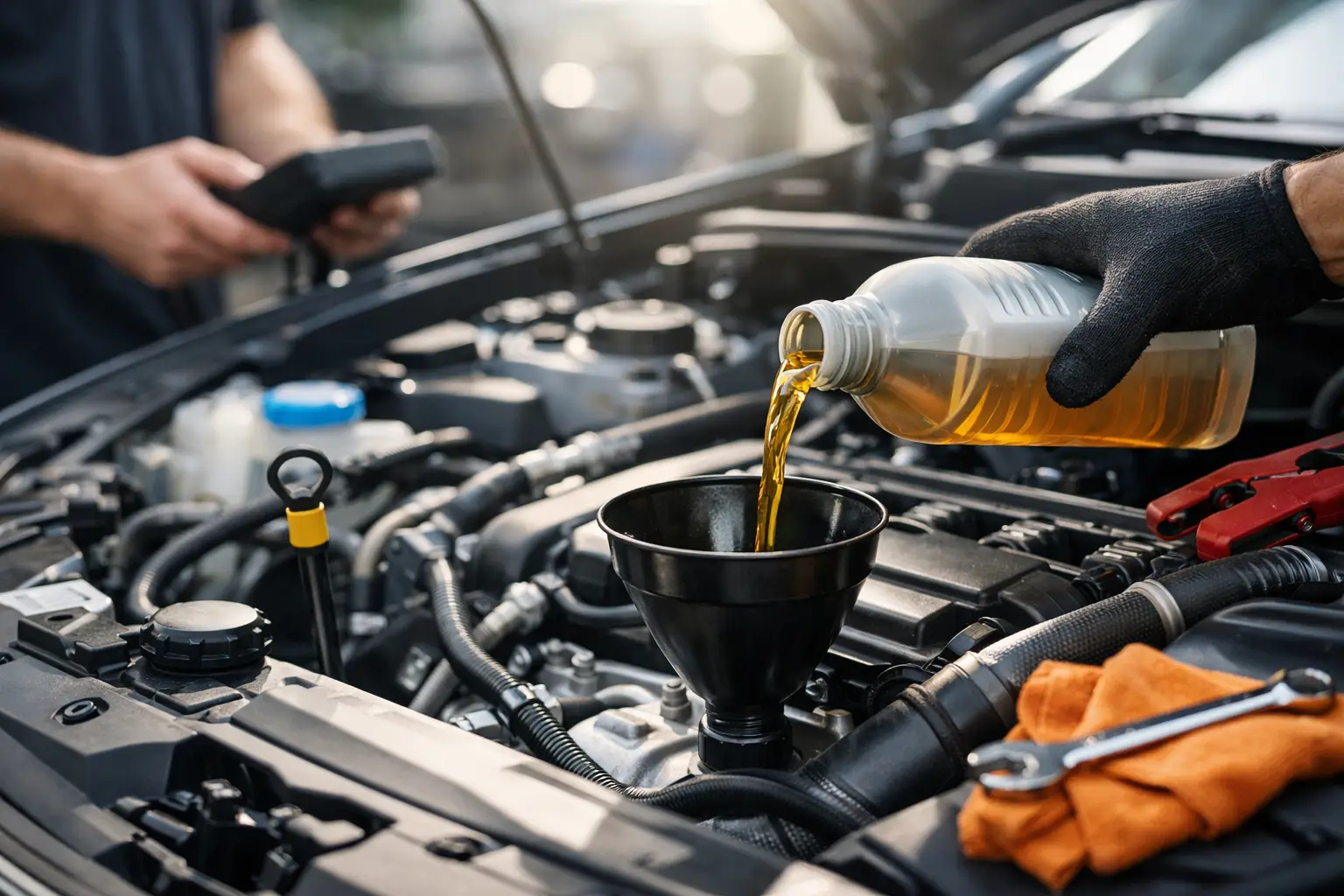
Engine oil is not just another fluid. It lubricates moving metal parts, carries heat away from critical areas and helps keep internal components clean. When oil becomes old, low or contaminated, friction and heat increase. Over time, that can damage bearings, timing components, piston rings and other expensive parts.
Follow the service intervals in your vehicle handbook, taking into account how you use the car. A vehicle used mostly for short school runs, heavy traffic or towing may need more frequent attention than one regularly driven on longer open-road trips. A logbook service is also the right time to inspect filters, belts, hoses, spark plugs and fluid levels before they create a larger problem.
Do not rely only on the kilometre interval if the car has not travelled much. Oil degrades with time as well as use. For many vehicles, an annual service remains sensible even when the kilometres are low.
Check the oil level between services
A quick oil check can save an engine. Park on level ground, allow the engine to cool for a few minutes, then check the dipstick according to the manufacturer’s instructions. The level should sit between the low and full marks.
If you need to add oil regularly, do not simply keep topping it up indefinitely. The engine may have an external leak, be burning oil internally or have another fault that needs diagnosis. Using the incorrect oil can also affect engine protection, particularly in newer vehicles with specific manufacturer requirements.
Treat overheating as urgent
Overheating is one of the fastest routes to serious engine damage. Excessive temperature can warp the cylinder head, damage the head gasket and, in severe cases, cause internal engine failure. The first signs are often a rising temperature gauge, warning light, steam, a coolant smell or coolant visible beneath the vehicle.
If the temperature gauge climbs unusually high, pull over safely as soon as possible and switch the engine off. Do not remove the radiator cap while the engine is hot. The cooling system is pressurised, and hot coolant can cause serious burns.
Once the vehicle has cooled, arrange an inspection rather than assuming it was a one-off event. A cooling issue can be caused by a leaking hose, failing thermostat, radiator fault, water pump problem, blocked cooling passages or a faulty fan. The repair may be straightforward when caught early, but continuing to drive can turn it into a far more costly job.
Use the correct coolant
Coolant does more than stop the engine from freezing. It raises the boiling point, controls operating temperature and protects the radiator and engine passages from corrosion. Plain water is not a proper long-term replacement for coolant, and mixing incompatible coolant types can reduce protection.
Use the coolant specified for your vehicle, with the correct water ratio where required. If the coolant level keeps dropping, there is a reason. It may be a visible leak, but it can also point to a fault that needs professional testing.
Pay attention to warning lights and new noises
An engine warning light is a request for attention, not a decoration on the dash. Some faults may allow the vehicle to be driven carefully for a short distance, while others need immediate action. A flashing engine warning light can indicate a misfire severe enough to damage the catalytic converter, so it is best to stop safely and seek advice.
Listen for changes as well. Knocking, rattling, ticking, squealing and grinding noises each have different possible causes. A rattle at start-up may relate to timing components, while a harsh knocking noise can suggest an internal lubrication issue. Noises do not diagnose themselves, but reporting when they happen – cold start, acceleration, braking or idling – helps a mechanic find the fault faster.
The same applies to changes in performance. Hard starting, rough idling, reduced power, poor fuel economy or exhaust smoke deserve a check. Waiting until the vehicle stops altogether often removes the chance of a smaller, more affordable repair.
Drive with mechanical sympathy
Good driving habits will not replace servicing, but they reduce unnecessary engine stress. Avoid hard acceleration when the engine is cold. Oil needs a little time to circulate properly after start-up, particularly on chilly mornings. You do not need to idle the car for long periods, but gentle driving for the first few minutes is a smart habit.
Use the correct fuel for your vehicle. If your car requires premium unleaded, consistently using a lower grade can affect performance and may lead to knocking in some engines. Diesel owners should also be careful about fuel quality and avoid running the tank very low, as contaminants and water can create fuel-system issues.
Towing, carrying heavy loads or driving a fully loaded ute changes the demands on the engine and transmission. Check your vehicle’s towing capacity, keep cooling and servicing up to date, and allow extra time for the drivetrain to work without excessive strain. If you notice overheating, slipping, vibration or unusual smells while towing, stop and have the vehicle checked.
Do not ignore leaks, belts or battery issues
Not every fluid under a parked car is engine oil, but every unexplained leak deserves attention. Oil may appear dark brown or black, coolant is often coloured, and clear water may simply be air-conditioner condensation. If you are unsure, placing clean cardboard under the vehicle overnight can help show the location and colour of a leak.
Belts and hoses also matter more than they seem. A damaged drive belt can affect the water pump or alternator on some vehicles. A worn hose can split suddenly and cause coolant loss. During servicing, these components should be inspected for cracking, swelling, looseness and deterioration.
A weak battery can create hard starts and electrical faults, while poor connections can interfere with sensors and charging. Modern engines depend on reliable electrical systems for fuel delivery, ignition and monitoring. If cranking is slow or dash lights behave strangely, have the battery and charging system tested before you are caught out.
Choose repairs before damage spreads
The best ways to prevent engine damage often come down to one decision: repair the fault while it is still small. Replacing a leaking hose, worn thermostat or faulty sensor is usually far easier than repairing the consequences of overheating or poor lubrication.
Keep a simple record of services, repairs and any warning lights or symptoms. This helps identify repeated issues and gives a mechanic useful information from the start. It can also support your vehicle’s resale value by showing it has been cared for properly.
Hazara Mobile Mechanic can inspect, service and diagnose many engine-related issues at your home or workplace across Wallan and Melbourne’s northern suburbs. If something does not sound, feel or look right, booking an inspection early is the practical way to keep a small concern from becoming a major engine repair.
Need a mobile mechanic?
Hazara Mobile Mechanic comes to you across Wallan and up to 70 km around. Open 7 days, 7am to 10pm, with emergency service 24/7. Call or text 0466 666 945, message us on WhatsApp or book online. See our services and the areas we cover.

Comments are closed