

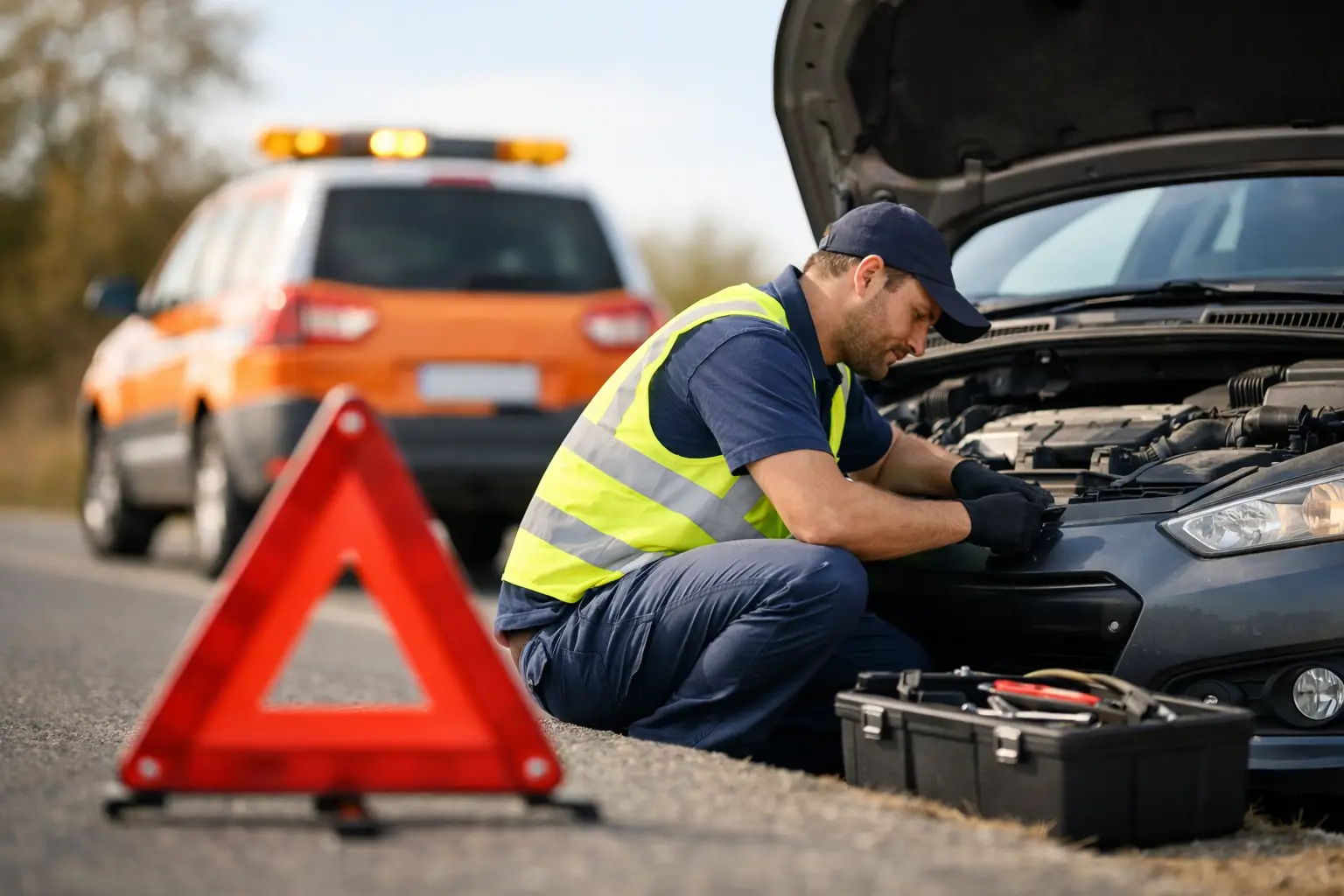
You do not think much about roadside help until your car refuses to start in the driveway before work, or it gives up in a shopping centre car park with the kids in the back. That is when a car roadside assistance mechanic becomes less of a convenience and more of a lifeline. For drivers in Wallan and Melbourne’s northern suburbs, the real value is not just getting moving again. It is getting honest, capable help where you are, without the hassle of organising a tow for a problem that may be fixable on the spot.
What a car roadside assistance mechanic actually does
A lot of people hear roadside assistance and think of a jump start and not much else. In reality, a qualified mobile mechanic can often do far more than basic emergency support. The job is to diagnose the issue properly, carry out safe on-site repairs where possible, and tell you clearly when a bigger workshop repair is the smarter option.
That matters because not every breakdown is dramatic. Sometimes the car still starts but feels wrong. Sometimes it cranks and will not fire. Sometimes a warning light appears and the vehicle goes into limp mode. In these situations, you want more than a tow truck. You want someone who can assess the fault with mechanical experience and practical judgement.
A roadside mechanic may be able to help with flat batteries, starter issues, charging faults, minor electrical problems, cooling issues, belt failures, ignition faults, brake concerns, and other common problems that stop a vehicle from being safely driven. It depends on the vehicle, the fault, and whether the repair can be completed safely on site.
Why mobile roadside help suits everyday drivers
For most people, a breakdown does not happen at a convenient time. It happens before school drop-off, before a shift starts, or when you are already running behind. Traditional repair setups often add extra steps – call for help, wait for a tow, arrange transport, then wait again for the workshop to inspect the car.
A mobile service cuts out a lot of that disruption. If the issue can be fixed where the vehicle sits, you avoid the cost and delay of moving it elsewhere. If it cannot, you still get a clear diagnosis and a better idea of what needs to happen next.
That is especially useful for families, commuters, and anyone juggling work and home responsibilities. The convenience is obvious, but so is the peace of mind. You are not left guessing whether the car needs a simple battery replacement or a major repair.
Common problems that can often be fixed on site
Battery trouble is one of the biggest reasons people call a roadside mechanic. Sometimes it is a flat battery from lights being left on. Sometimes the battery has simply reached the end of its life. In other cases, the battery is not the real problem at all, and the issue sits with the alternator, starter motor, or a parasitic electrical drain.
Overheating is another common one. If a hose has failed, coolant is low, or there is a visible problem in the cooling system, a mobile mechanic may be able to carry out a repair or at least make the vehicle safe enough to move under the right conditions. If there is a serious leak or signs of engine damage, roadside repair may not be appropriate.
Electrical faults can also be more manageable than drivers expect. Blown fuses, damaged terminals, loose connections, and some sensor-related issues can often be traced and repaired without taking the car to a workshop.
Then there are the less obvious cases. A car that will not start may have an issue with fuel delivery, ignition, the battery system, or even a faulty switch or relay. A proper diagnosis saves time, money, and a lot of frustration.
When roadside repair is the right option – and when it is not
This is where experience matters. A good car roadside assistance mechanic will not promise that every problem can be fixed where the vehicle sits. Some faults need workshop equipment, hoists, extended testing, or parts that are not practical to carry in a mobile setup.
For example, if the vehicle has major transmission damage, internal engine issues, or serious suspension failure, the safest recommendation may be towing and workshop repair. The same applies if roadside conditions are unsafe, such as heavy traffic exposure, poor visibility, or limited room to work.
On the other hand, many breakdowns that feel major in the moment turn out to be straightforward once diagnosed properly. That balance matters. You want a mechanic who can fix what makes sense on site, but who will also be upfront when a different repair path is needed.
What to expect when you call for help
The first step is usually a few simple questions about the vehicle and the symptoms. Does it crank? Are there warning lights? Did it overheat? Is there a burning smell, fluid leak, or unusual noise? These details help narrow down what may be happening and what tools or parts might be needed.
Once on site, the mechanic should inspect the vehicle methodically rather than guessing. That may include battery and charging tests, scan tool diagnostics, visual checks under the bonnet, and checking obvious failure points. The goal is not to throw parts at the problem. It is to identify the fault and explain your options clearly.
If the repair can be done there and then, you should know what is being replaced or repaired, how long it is likely to take, and what it will cost. If it cannot be completed on site, you should still come away with useful information rather than a vague shrug.
That level of transparency makes a real difference, especially if you are already stressed. People do not want technical jargon when their car has broken down. They want a straight answer and a practical next step.
Choosing the right roadside mechanic
Not all roadside services are the same. Some are limited to basic support and towing coordination. Others offer broader mechanical capability and can carry out genuine repairs at your location. If you want to avoid unnecessary delays, it is worth choosing a provider with solid diagnostic experience and a clear mobile service model.
Look for someone who communicates clearly, arrives prepared, and understands that the job is not only mechanical. It is also about reducing disruption for the customer. A dependable roadside mechanic should treat your time as valuable, explain the problem in plain language, and work efficiently without cutting corners.
Local knowledge helps too. A mechanic servicing Wallan and Melbourne’s northern suburbs understands the area, travel times, and the practical needs of local drivers. That often leads to faster response and a more straightforward booking experience.
Hazara Mobile Mechanic is built around that kind of support – practical, on-site help for drivers who need reliable repairs without the inconvenience of a workshop visit.
How to reduce the chance of a roadside call-out
Not every breakdown can be prevented, but plenty can. Batteries usually give warning signs before failing completely. Slow cranking, dim lights, and intermittent starting issues should not be ignored. Cooling problems often show up as rising temperature readings, coolant loss, or a sweet smell before they become a full roadside breakdown.
Regular servicing also matters more than many drivers realise. A vehicle that gets timely checks is less likely to leave you stranded due to worn belts, neglected fluids, failing hoses, or overlooked brake and electrical problems. The point is not perfection. It is catching small issues before they become expensive and inconvenient ones.
If your car has been acting strangely for a week and then stops altogether, that roadside call-out was often building up long before the breakdown. Getting unusual noises, warning lights, or performance changes checked early can save a lot of stress later.
The real benefit is less disruption
When people search for roadside help, they are usually focused on the immediate problem. They need the car running. Fair enough. But the bigger benefit of a mobile roadside mechanic is that the whole process becomes simpler.
You are not arranging lifts, waiting around at a workshop, or losing half a day over a fault that could have been sorted at home or work. You get qualified mechanical support at the location where the problem happens, and that changes the experience completely.
There is also a trust factor. When a mechanic takes the time to diagnose the issue properly, explain it clearly, and fix what can be fixed on site, you feel looked after rather than processed. That is what most drivers actually want – practical help, honest advice, and a service that makes a bad day easier.
If your vehicle lets you down, the best roadside support is not just about getting there quickly. It is about bringing the right tools, the right experience, and the right attitude to get you moving again with as little fuss as possible.
Need a mobile mechanic?
Hazara Mobile Mechanic comes to you across Wallan and up to 70 km around. Open 7 days, 7am to 10pm, with emergency service 24/7. Call or text 0466 666 945, message us on WhatsApp or book online. See our services and the areas we cover.

Comments are closed